
How Expats Use Photography To Decode Atlanta’s Cultural Identity
You’ve seen the skyline before — The Walking Dead used it as a zombie apocalypse backdrop, and Donald Glover’s Atlanta on FX made Bankhead and the Clermont Lounge feel almost familiar. But knowing a city from a screen and standing on Peachtree Street with a suitcase? A completely different experience. There’s a disconnect there, and it doesn’t close on its own. Photography, though — that actually helps.
For expats arriving from London, Lagos, Seoul, or São Paulo, picking up a camera becomes less about content creation and more about comprehension — a deliberate way to slow down, observe, and start making sense of Atlanta’s cultural identity through direct visual engagement. Not through guidebooks. Not through orientation packets through a viewfinder. And once you start shooting, something changes. The neighborhoods feel less random, and you actually start living in Atlanta. The conversations you overhear at a coffee shop on Ponce de Leon Avenue start to mean something.
Exploring Atlanta Through Photography
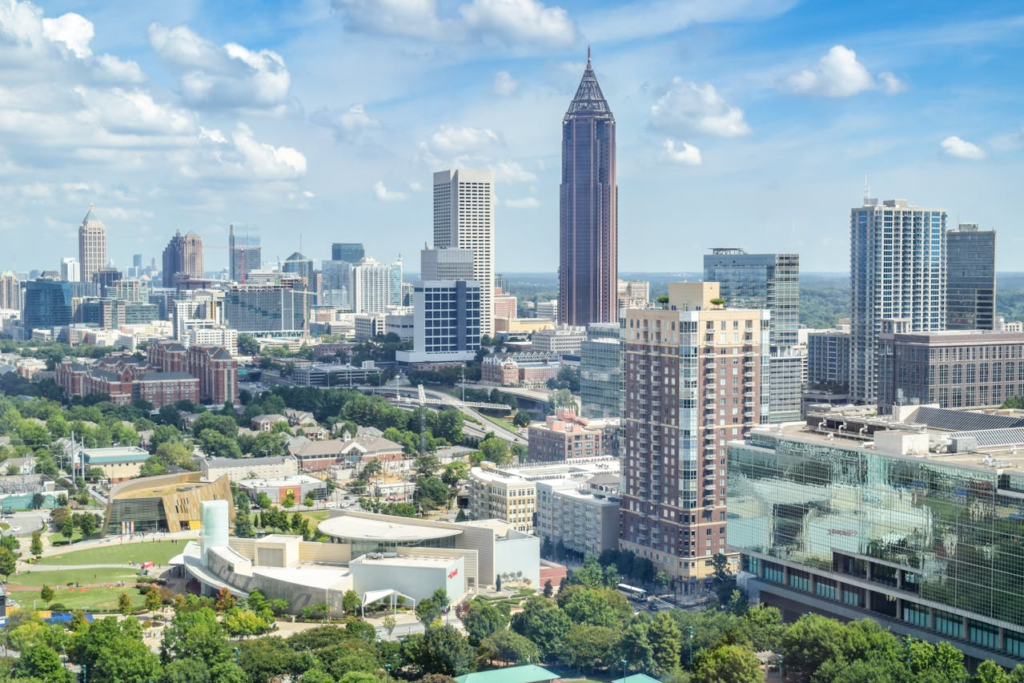
Here’s the thing about Atlanta: it does not sit still visually. One block gives you antebellum architecture; the next throws a massive Outkast mural in your face. That contrast? It pulls expats in immediately. Midtown alone is a trip. You’ll walk past glass towers bouncing sunlight off century-old brick — then turn a corner and find a Salvadoran food truck parked outside a Michelin-recognized restaurant, serving pupusas to construction workers. No guidebook is going to tell you about that scene.
Little Five Points has this grungy, vinyl-shop energy that Castleberry Hill just… doesn’t. The Old Fourth Ward does its own thing entirely. Newcomers pick up on these shifts faster than locals do — they haven’t gone numb to it yet. The Krog Street Tunnel alone? The whole weekend, easy. The graffiti rotates so often that what you shot last Saturday might already be painted over. Then there’s the BeltLine, a different animal entirely. Old rail corridors turned into walking paths. Public art is scattered everywhere — some of it you almost trip over. Joggers dodging food vendors. And around 6 p.m. on the Eastside Trail, this golden-hour light drops through the tree canopy, and suddenly everybody’s got their phone out.
Bottom line: if you’ve got a camera (or honestly, just a phone), the city is an easy playground for photography enthusiasts. Gear doesn’t matter. Just walk. Atlanta’s cultural identity reveals itself block by block, and a camera gives you a reason to pay close attention to every single one of them.
Photography as a Cultural Bridge
A camera changes how you move through a city. That sounds obvious — but it isn’t. Without one, you walk past a Korean grocery in Duluth and register “oh, store.” With one, you stop. You notice the hand-lettered signs mixing Hangul and English, the arrangement of produce bins that mirrors markets in Busan, the elderly couple sharing a bench right outside. In practice, photography forces attention that regular observation does not.
To someone reading a city they didn’t grow up in, that attention matters enormously. And it goes beyond architecture and storefronts — street photography captures the human dimension too. A barber on Auburn Avenue. Kids playing in Grant Park. The after-church crowd at Mary Mac’s Tea Room on a Sunday afternoon.
Consider Atlanta’s cultural identity through its festivals alone. The Atlanta Dogwood Festival, Dragon Con’s cosplay-packed streets, the National Black Arts Festival — each one tells a specific story about what this city values and who it celebrates. Expats who photograph these events aren’t just collecting pretty images. Instead, they are building a visual archive of belonging, frame by frame.
Something deeper happens over time, though. Framing a shot of Martin Luther King Jr. National Historical Park requires decisions — what do you include, what gets cropped out — that mirror the larger process of cultural interpretation itself. Every expat photographer becomes, in a quiet way, an editor of Atlanta’s cultural identity. That is a powerful position for someone who still feels an outsider looking in.
Community and Connection Through the Camera
Photography can be solitary. In Atlanta, it rarely stays that way for long. Groups such as the Atlanta Photographers Guild and various BeltLine photowalk meetups pull newcomers into circles they’d otherwise never find. Show up with a camera, and people talk to you — it is that simple. One expat from Munich might end up swapping lens recommendations with a lifelong Decatur resident, bonding over golden-hour compositions at Piedmont Park. Honestly, these aren’t networking events with lanyards and forced small talk. They are genuine creative exchanges that also happen to build real friendships. The shared language of f-stops and composition creates an instant common ground that skips the awkward get-to-know-you phase entirely.
Then social media accelerates the whole thing. An expat posts a striking shot of the Jackson Street Bridge skyline view on Instagram, tags it #WelovATL, and suddenly local photographers are commenting, sharing, inviting them to the next group outing. Before long, the camera becomes something unexpected — a social passport into a community that might have otherwise taken years to access. And here is what’s interesting: many of these connections cross cultural and demographic lines that Atlanta’s social scene doesn’t always bridge on its own.
What Expat Photography Reveals About Atlanta’s Identity
Look at what expats photograph most, and a pattern emerges fast. Civil rights landmarks. Multicultural food halls. Construction cranes looming next to century-old churches. The tension between preservation and rapid development shows up in nearly every expat photo collection from this city — and that’s not accidental. Naturally, photographers abroad from countries with their own complicated histories of change gravitate toward subjects that mirror what they already understand about cities in transition.
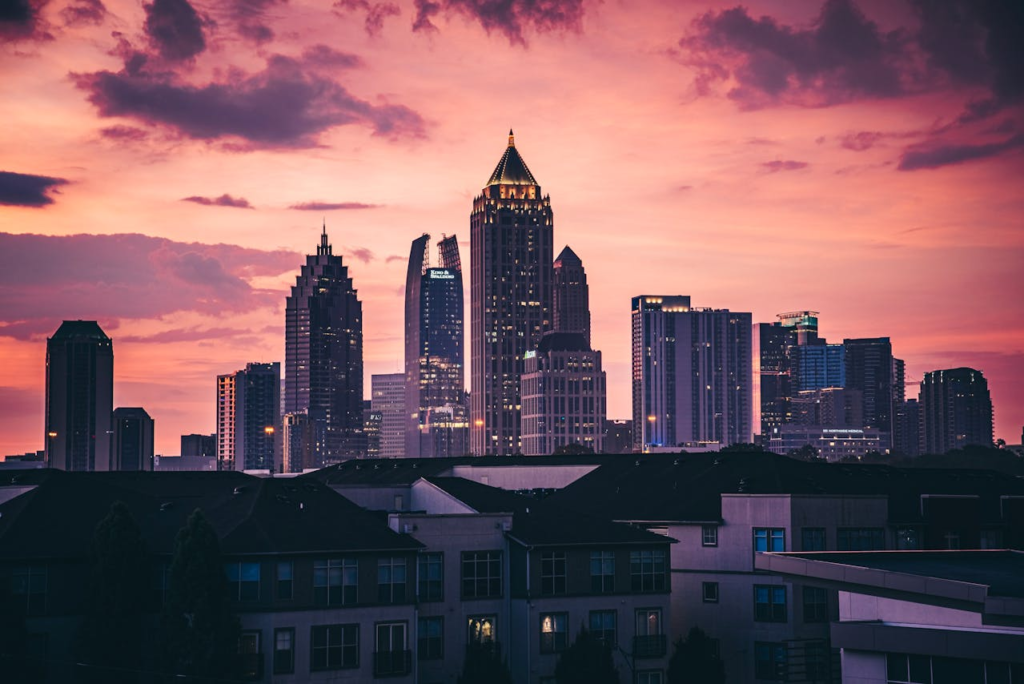
Together, their collective work creates an unintentional portrait. Thousands of independent photographs somehow converge on the same themes: resilience, reinvention, cultural layering. Outside eyes hold real value here, because they capture what long-time residents have gradually stopped seeing. A fresh perspective, documented honestly, becomes its own form of record. Worth paying attention to.
Decoding a City, One Frame at a Time
Photography won’t hand you a complete understanding of any place. Obviously. But for expats in Atlanta, it offers something better than understanding — it offers a process. A daily practice of looking, framing, questioning what you see.
The expats picking up cameras here aren’t tourists collecting snapshots for social media feeds. Rather, they’re people building a relationship with a city, one photograph at a time. What they produce — raw, curious, sometimes awkward in its outsider honesty — adds a necessary layer to Atlanta’s cultural identity that benefits everyone who lives here. Because every city needs people who are still learning how to see it. That’s how it stays seen.