
Buying A Fixer-Upper Abroad: How Do Expats Fund Property Upgrades?
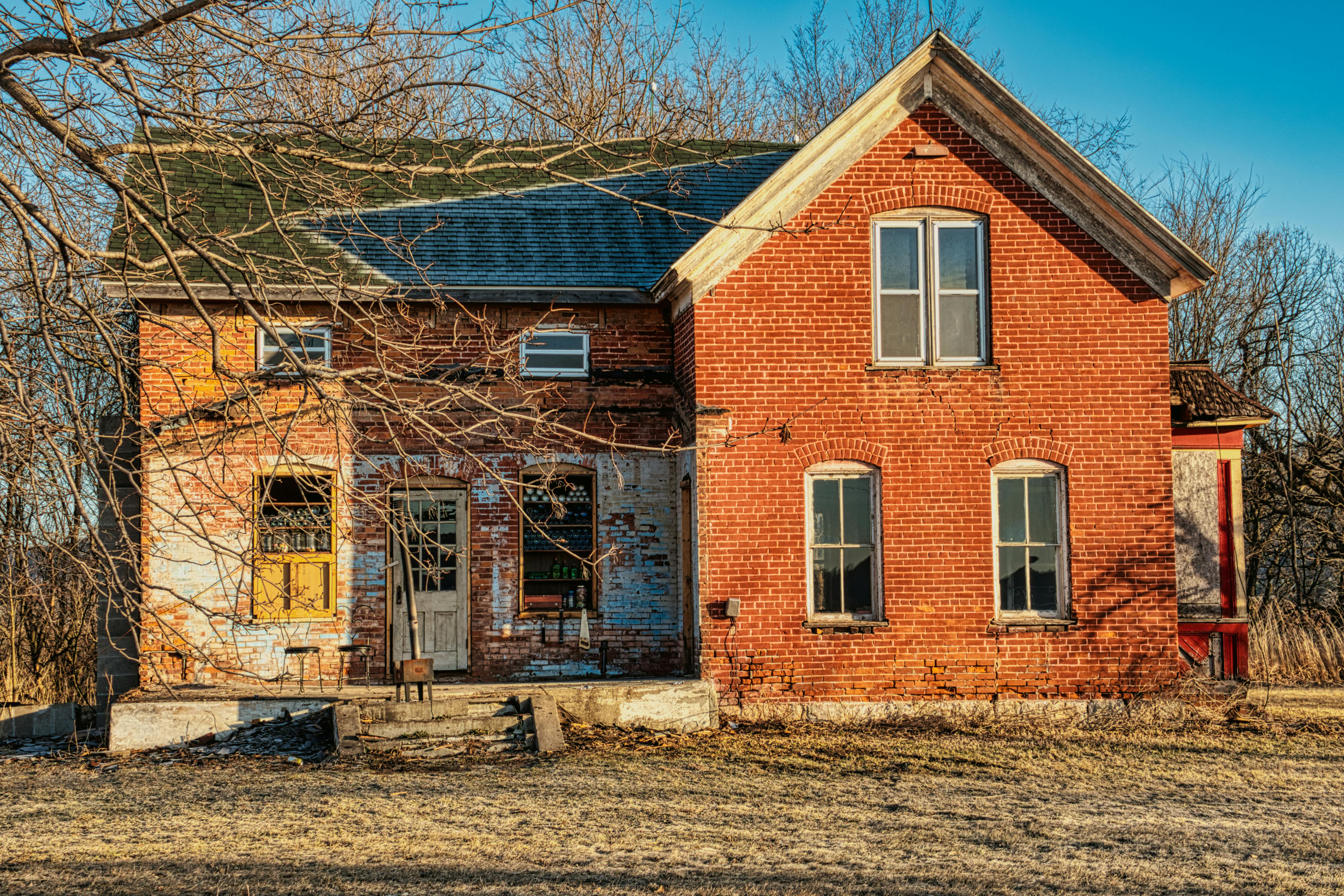
Most expats fund overseas property renovations through a combination of cash reserves, local secured bank loans, or equity release from a primary residence in their home country. Cross-border lending is a logistical nightmare. Local banks view foreign-earned income with extreme suspicion. You need immediate capital. You also need it structured legally within your new tax jurisdiction to avoid massive currency exchange penalties. Bringing a quarter-million dollars across borders triggers immediate institutional alarms. Governments want their cut. Capital flow is heavily monitored.
What Is the Financial Reality of Foreign Property Markets?
Buying the ruin is the cheap part. Rebuilding it breaks people. Foreign property markets operate on entirely different financial physics. You cannot just call up your hometown bank in Toronto or London and expect a quick wire for structural repairs in a different hemisphere. The compliance red tape will stop you cold.
Anti-money laundering laws dictate everything. When you wire $150,000 to a builder in rural France, algorithms freeze the transaction. Days turn into weeks. The builder walks off the job. European banks do not want your American W-2s. They do not care about your UK limited company dividends. Proving income across tax jurisdictions requires specialized, sworn translations. It requires apostilled tax returns. A routine mortgage application becomes an expensive forensic audit. You are an alien entity to their risk models.
According to the Association of International Property Professionals, nearly 30% of expat renovation projects stall in the first year entirely due to capital deployment friction. Not a lack of money. A lack of accessible money.
What Are the Main Renovation Funding Options for Expats?
You have three realistic paths. Choose the one that penalizes you the least.
- Cash Reserves: The most liquid, headache-free option. Cash is king until you need to convert it. Retail banks charge extortionate spreads on foreign exchange. Moving large sums triggers immediate AML checks (as smart expats use dedicated foreign exchange brokers to lock in forward contracts, hedging against currency swings).
- Home Country Equity Release: Refinancing a stateside or UK property to pull out cash. This is mathematically sound if interest rates back home are lower than your destination country. You secure a Home Equity Line of Credit. You withdraw cash. You transfer it. The risk? You are securing a foreign asset with your primary shelter.
- Local Bank Loans: European banks often finance up to 70% of the post-renovation value. They demand mountains of translated, notarized income proofs. You will jump through flaming hoops for six months.
Expats routinely underestimate the bureaucratic friction of moving money across borders. A routine wire transfer can easily be frozen for 30 days pending compliance checks. A frozen account stops construction entirely. Tradesmen do not work on promises. They walk.
How Do You Finance Major Structural Work?
Minor aesthetic updates are one thing. Replacing a collapsed roof or shoring up a sinking foundation is entirely different. Paint and tile require cash flow. Structural integrity requires capital. Traditional personal loans max out quickly and carry punishing interest rates.
When the structural integrity of your foreign investment is compromised, the financial stakes multiply. You require substantial, specialized capital. This is where expats often explore home improvement financing to cover major contracting bills without depleting their emergency cash reserves. Securing credit tied directly to the property’s escalating value mitigates risk for the lender.
Do not attempt to cash-flow a roof replacement from your monthly salary. Roofs fail during storms. Storms do not wait for your next paycheck. Supply chain shortages in Europe have pushed material costs up 40% since 2021. You need a dedicated credit facility.
Lenders release funds in strict tranches based on architectural milestones. They send an independent inspector after the foundations are poured. Only then do you get the next check. The bank essentially acts as a hostile project manager. They protect their collateral.
How Does Currency Volatility Impact Renovation Budgets?
Expats ignore macroeconomics at their own peril. Your renovation budget is an illusion if it crosses currency lines.
Imagine a $200,000 renovation budget. You are an American funding a project in Italy. In January, the exchange rate is $1.05 to the Euro. By June, inflation data shifts. The central banks panic. The rate moves to $1.15. Your project just became $20,000 more expensive. You did nothing wrong. The builder did nothing wrong. The global markets simply erased your contingency fund.
Retail banks will happily process these transfers for you. They will take a 3% spread on the exchange rate and charge a fixed wire fee. It is legalized theft.
- Use Forward Contracts: Lock in an exchange rate for up to two years.
- Open Multi-Currency Accounts: Hold balances in the destination currency.
- Avoid Spot Market Transfers: Do not move money the day the contractor’s invoice arrives.
Volatility is not an anomaly. It is the baseline operating environment for international finance.
What Are the Tax Implications of Foreign Property Upgrades?
Capital gains taxes wait at the end of every successful renovation. You buy a ruin. You sink $300,000 into it. You double its value. The local tax authority notices.
Every receipt matters. Every invoice must be registered with the local municipality. In countries like Spain and France, you can offset your eventual capital gains tax liability using renovation costs. But only if the paperwork is flawless.
Cash payments to contractors are a double-edged sword. The builder offers a 20% discount for cash. You take the deal. Five years later, you sell the property. The tax authority asks for proof of the renovation expenses to lower your capital gains burden. You have nothing. You saved 20% on a bathroom remodel and cost yourself 35% in capital gains tax.
Governments are aggressively closing the loop on untaxed contracting labor. The Italian ‘Superbonus 110%’ scheme demonstrated exactly how fast a government will subsidize—and then aggressively audit—domestic property upgrades.
How to Avoid the Most Common Expat Renovation Traps?
Contractors smell foreign money. They inflate quotes immediately. If you do not understand the local language and the local building code, you are a target. The “expat tax” is real. It is applied to every bag of cement.
- Get three local quotes. Exclude the English-speaking expat contractor who caters specifically to foreigners. Their marketing overhead is baked into your invoice. Go directly to local tradesmen.
- Hire an independent surveyor. They work for you. Not the builder. Not the real estate agent.
- Factor in exchange rate volatility. A 5% currency swing wipes out your contingency budget overnight. If you earn in dollars and pay in euros, you are a currency speculator whether you like it or not.
- Account for permit delays. Historic properties often require municipal approvals. A simple window replacement in a heritage zone takes six to twelve months of administrative begging.
Unlicensed work voids your property insurance instantly. If an unbonded electrician burns down your 300-year-old farmhouse, the liability is entirely yours.
Summary: The Core Takeaway on Expat Property Investments
Overseas renovations require extreme liquidity. Cross-border banking adds a premium to every single transaction. Equity release from an existing property portfolio remains the cheapest capital source available. Local bank loans offer lower interest but demand excruciating administrative compliance. The actual return on investment hinges entirely on managing local contractor networks and mitigating currency risk. A poorly funded renovation turns a dream villa into a stranded asset. Approximately 40% of expat buyers sell their foreign properties within five years strictly due to undercapitalization.