
Why Digital Wellbeing Is Now A Hot Topic In Tech News

The conversation around technology has shifted from “more” to “better.” We used to think of our phones as tools to keep us busy every spare second, but now they are being built to help us rest. “Digital Wellbeing” is no longer just a buried setting; it is a core feature in every major smartphone and app.
Tech giants have realized that a burnt-out user is not a loyal user. Success for a modern tech company now means helping you achieve your goals and then encouraging you to put the device down.
Whether it’s a “Focus Mode” that silences work emails at dinner or a dashboard that shows you where your time is going, technology is finally acting like a supportive partner rather than a demanding boss.
Breaking the “Hooked” Habit
In the past, many apps used what designers call “dark patterns”—tricks like infinite scrolling or red notification dots that are meant to keep you hooked. Now, we are seeing a move toward “calm technology.” This means apps are being designed to help you do what you need to do efficiently so you can move on with your day.
Even the biggest players in the mental wellness space are evolving. When choosing between tools like Calm vs Headspace, users are no longer just looking for content; they are looking for which app integrates best with their daily life without becoming another digital chore. Companies are starting to prioritize “Time Well Spent” over “Total Time Spent.” They want to ensure that when you do use their products, you leave feeling better, not just more tired.
Understanding the “Always-On” Brain
Why was it so hard to stop scrolling in the first place? It comes down to basic biology. Our brains are wired to respond to rewards, and every “like” or message sends a tiny hit of dopamine through our system.
This constant stream of alerts keeps our brains in a state of “high alert,” making it incredibly difficult to focus on deep work or meaningful conversations. Tech news is now highlighting the link between this digital noise and our rising levels of stress. Constant pings don’t just distract us; they exhaust us.
Furthermore, researchers have found a direct link between late-night blue light exposure and poor sleep, leading many tech companies to build automatic “night shifts” and “sleep modes” that turn the screen a warm amber as bedtime approaches.
New Tools for a Calmer Life
Innovation is now being used to protect our peace rather than invade it. Artificial Intelligence is acting as a “digital gatekeeper,” learning which messages are urgent and which can wait until tomorrow. Instead of a phone that screams for your attention every five minutes, you might have one that quietly bundles your notifications to be delivered only when you have a break.
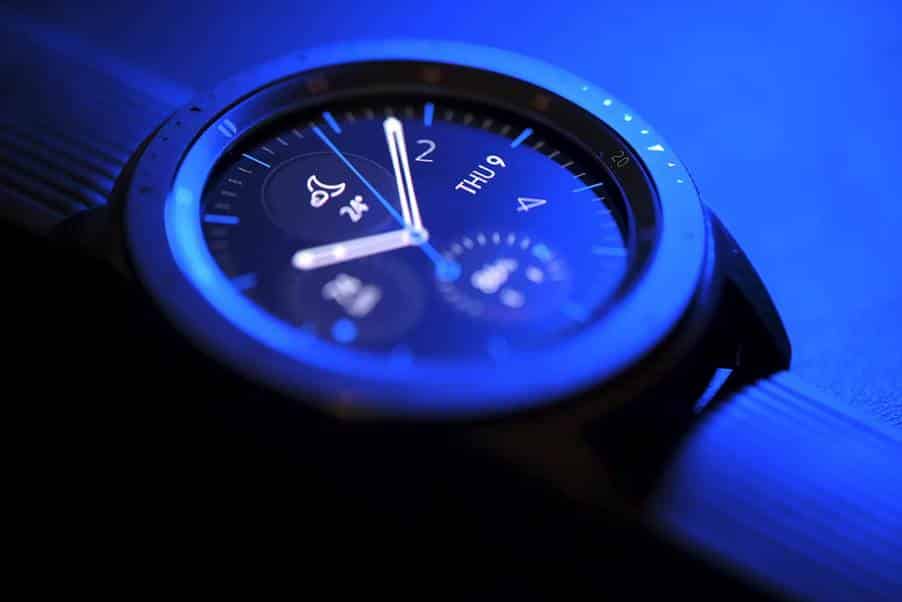
We are also seeing the rise of wearable gadgets that do more than count steps. Some smart rings and watches now give you a gentle, haptic tap on the wrist when they detect your heart rate rising, reminding you to take a breath. Others use screen layouts that change colors or simplify their look when your stress levels are high, helping you feel a sense of calm the moment you pick up your device.
How This Changes Our Daily Lives
This focus on wellbeing is changing the rules of the world. Being “unplugged” and hard to reach used to be seen as a disadvantage; now, it is a goal for many. In many countries, new “Right to Disconnect” laws are making headlines.
These rules state that employees are not required to answer work emails or calls late at night, and companies can actually get in trouble for expecting 24/7 availability.
Technology is finally being used as a shield. We are seeing tools that block out distracting websites during work hours and apps that remind us to look at the sunset or go for a walk. By acting as a gatekeeper, technology is helping us enjoy the real world more often, ensuring that our digital lives support our physical ones.
Common Myths About Digital Wellness
One common myth is that digital wellness is just about setting timers on your apps. While timers can help, it is more about the quality of your time. Five minutes of a meaningful video call with a parent is much better for your soul than an hour of mindless scrolling.
Another myth is that you have to delete all your apps and go “off the grid” to be healthy. That isn’t realistic for most of us in 2026.
Digital wellness is about finding a balance. You can still enjoy social media and games; the goal is to make sure you are the one in charge of the phone, not the other way around.
Final Thoughts
The hottest news in the tech world today isn’t about a faster processor or a bigger screen. It’s about the discovery of how to live better with the tools we already have. We are moving toward a world where our devices work quietly in the background, keeping us connected without making us feel overwhelmed.
The ultimate goal of this revolution is to help us be more human. Technology should give us more time for the things that truly matter: our health, our hobbies, and our people. The best new feature on your phone isn’t a better camera—it’s the tool that helps you have the confidence to put it down.