
What To Arrange Before Moving To A Texas Town Where Everyday Errands Require A Car
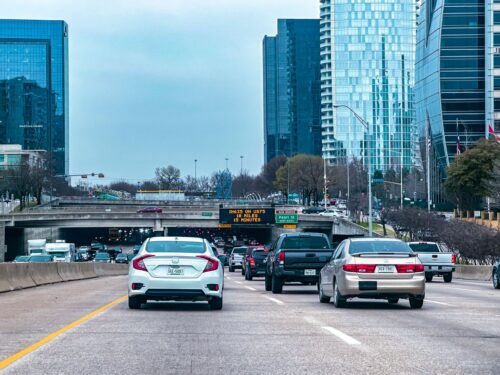
Outside the downtown cores of Texas cities, the nearest grocery store or pharmacy often sits miles from home, with no bus route in between. For expats arriving from places with dense public transit, this shift catches many families off guard in their first week. Knowing what to arrange before moving to a Texas town where everyday errands require a car can save you costly rideshares and missed appointments. The essentials fall into four groups: temporary transport, a vehicle of your own, a valid license, and proper registration and insurance.
What to Arrange Before Moving to a Texas Town Where Everyday Errands Require a Car
The short answer is a transport plan for day one, a realistic path to owning a car, and paperwork that lets you drive legally. Towns such as Tyler, Midland, Waxahachie, and New Braunfels grew up around driving. Groceries, school runs, and doctor visits all assume you have wheels. Before settling in a smaller Texas community, expats often work through a checklist for moving to the US that covers housing, documents, and other arrival arrangements. In a town where public transport is limited, securing reliable transportation deserves just as much attention as these initial tasks.
A car-focused checklist for a smaller Texas town usually includes:
- Booking a rental car for the first two to four weeks
- Gathering your foreign license, passport, and driving record
- Researching car prices and financing options
- Requesting auto insurance quotes before you need cover
- Choosing housing with realistic drive times
How Will You Get Around in the First Few Weeks?
A rental car is usually the most practical bridge between landing and owning a vehicle. Rideshare apps such as Uber and Lyft work well in Dallas or Houston. In smaller towns, however, driver coverage thins out quickly, and waits can stretch past half an hour. Book the rental before you fly, and confirm that the company accepts your foreign license and credit card.
The length of a rental matters as much as the booking itself. The rental period should overlap with the arrival of your shipped belongings, your first day at work or school, and any car viewings. When planning a Texas move, line up these dates early, because even a few days without transport can leave you stranded. A buffer week costs far less than a string of last-minute taxi rides across a spread-out town.
Should You Buy a Car Before or After You Arrive?
Most newcomers buy after arrival, once they have an address, a local bank account, and a better understanding of their daily routes. Buying sight unseen from abroad is possible but carries risks, particularly when you cannot inspect the vehicle beforehand. There are also practical considerations when buying a car when you’re relocating to the USA, including insurance requirements, financing options, and limited US credit history. Dealers may also require a local address and proof of insurance before handing over the keys.
Vehicle choice deserves careful thought in a car-dependent town. Summer temperatures across much of Texas often climb above 100°F, so strong air conditioning matters more than many Europeans expect. Families in rural areas often favor trucks or SUVs for long distances and unpaved roads. A fuel-efficient sedan, on the other hand, suits a household that mainly drives between a suburb and a nearby office.
Where Should You Live to Keep Drive Times Reasonable?
Drive times shape daily life in a car-dependent town more than square footage does. Before signing a lease, map the route to work, school, and the nearest full-size grocery store at rush hour. A home fifteen minutes closer to these anchors can save hours every week. It also reduces fuel spending and wear on a single family car.
Parking deserves a question during every viewing. Many Texas apartment complexes offer covered parking or garages for an extra monthly fee, and that cover protects a car from hail and summer heat. Single-family homes usually come with a driveway, but homeowners association rules may limit where extra vehicles can park.
How Do You Get a Texas Driver’s License?
New residents who hold a valid license from another US state have 90 days after moving to apply for a Texas one. For expats arriving with a foreign license, the process depends on the country that issued it. Some drivers qualify for an exchange, while others must complete knowledge and road tests. The Texas Department of Public Safety provides a guide to driver licenses and IDs for people moving to Texas that outlines these requirements and the documents applicants need.
Bring original documents to every Department of Public Safety appointment. Offices typically ask for proof of identity, lawful presence, Texas residency, and Social Security eligibility. Appointment slots at busy offices can fill weeks ahead. Book one as soon as you have a lease or utility bill in your name.
What Registration and Insurance Steps Come Next?
Texas law requires every driver to carry liability insurance. The minimum limits are $30,000 per injured person, $60,000 per accident, and $25,000 for property damage. Expats without a US driving history may pay higher premiums at first, so comparing quotes from several insurers makes sense.
A vehicle brought from another state needs Texas registration within 30 days of the owner becoming a resident. Before visiting the county tax assessor-collector’s office, check the inspection, title, and registration requirements listed on the Texas Department of Motor Vehicles’ New to Texas page. Preparing the documents in advance can help avoid repeat visits when completing the registration and obtaining your plates.
How Much Should You Budget for Life With a Car?
Owning a car in Texas adds steady monthly costs on top of the purchase price. A realistic budget for a car-dependent household covers:
- Fuel for longer daily distances
- Insurance premiums for each driver
- Registration and inspection fees
- Routine maintenance and replacement tires
- Toll charges near larger metro areas
Car costs belong in your wider relocation budget alongside rent, deposits, and healthcare. Weighing the key financial considerations if you’re relocating to the US early helps you decide whether a second car is realistic. For many families, one reliable vehicle and a carefully chosen home cover daily needs comfortably.
Getting Road-Ready Before You Land in Texas
Life in a smaller Texas town runs smoothly once transport, paperwork, and budgets are settled ahead of time. Knowing what to arrange before moving to a Texas town where everyday errands require a car turns a stressful first month into a manageable one. Start with a rental booking and your license documents, then work through insurance, registration, and the vehicle search. A few weeks of preparation now means your first grocery run feels routine instead of like a logistics puzzle.