
Understanding Your Land Through Maps With Line Overlays
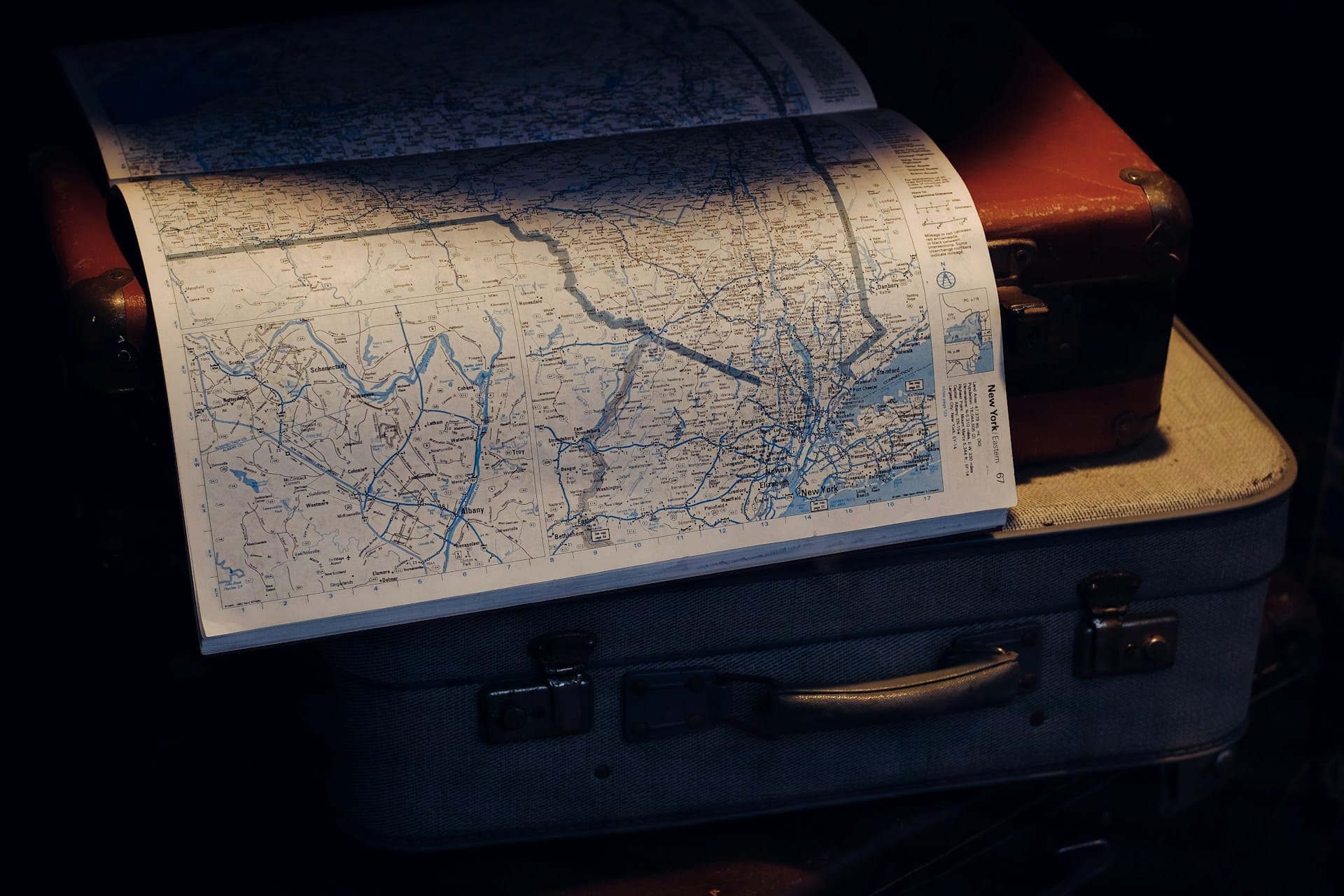
For centuries, people have used maps to make sense of the world around them. They provide a straightforward method for reading the features and contours of land use. The quickest of which is to overlay the lines on top of each other. They add context, turning simple maps into valuable resources for analysis and planning.
The Basics of Line Overlays
This is a graphical improvement on the maps – lines overlaid. Rather, lines, shapes, and paths are used to denote features or data points. They may outline land boundaries, transportation routes, elevation changes, utility lines, and so on. These provide contextual details that can help inform plans and management, making them a significant enhancement to the maps. An online map with property lines helps landowners understand their land more clearly through accurate line overlays.
Applications in Land Management
Management plot line overlays are the most common use of line overlays in land management. They also assist owners and developers in visually identifying potential limitations on future developments. Zoning, Land, and Access Lines. These lines or paths represent areas surrounding a specific zone, e.g., zoning areas, land use types, and/or access lines. It enables making informed decisions about buying or developing land.
Enhancing Agricultural Planning
Line overlays can also indicate something crucial when it comes to how land is used, especially if you are employed in this type of work. Farmers can schedule crop rotations, utilize the right irrigation systems, and protect their soil. Lines can indicate irrigation routes, types of soil, or fully grown plants. Hence, it helps minimize land use and maximize production.
Urban Development and Planning
Maps overlaid with lines are extremely handy for urban planners. They can assist with planning infrastructure, traffic movement, and design for new developments. Lines may depict roads, utilities, or buildings planned on a site. As a visual map, it helps in planning strategy and stimulates urban design.
Environmental Conservation Efforts
Conservationists, too, have a lot of use for line overlays. Since they can still plot set-asides, wildlife linkages, and ecological ranges, this means that the monitoring and conservation of natural resources are still possible. These types of lines will make the habitats and migration lines they want to preserve clearer for the eye to see.
Technological Integration
With technology constantly evolving, this enables the creation of more line overlay maps to promote ideas. Users can rapidly create and manipulate overlays (also known as layers) using a Geographic information system (GIS). This means it replicates mapping and analysis perfectly, allowing it to solve complex datasets.
Benefits of Using Line Overlays
Still, there are numerous advantages of drawing line overlays on maps. It provides clarity by emphasizing specific features, making the map more readable and understandable. Second, overlays offer a means of managing resources, as they provide more information about the landscapes. They are highly configurable, allowing users to choose the aspects most important for their use case.
Challenges and Considerations
While very beneficial, there are some restrictions to the line overlays. We cannot make all the wrong decisions based on unverified data to convey that Crisis Prediction is impossible. This involves having up-to-date and accurate data. Additionally, maps can also be ‘messy’ if they are overloaded with overlays. You need to strike a balance between the two, break it down, but not all the way down.
Future Prospects
The future of mapping is to lay lines over the maps. As technology advances, maps will become increasingly interactive and informative. Coupled with real-time and AR data, we could imagine what new kinds of maps might look like. This change will create more opportunities to analyze land in a more WAAYC form.
Conclusion
There are many maps with line overlays that can help us appreciate our land. Such tools enhance transparency and create a path for action, helping to clarify whether those tools are used for land management or conservation. This is a niche for maps. Still, the capabilities of maps will expand alongside technology, and this presents an opportunity to investigate and learn so much more. Using these tools, we can significantly enhance these domains and improve experiences, ultimately leading to better outcomes.