
Understanding Building & Pest Inspections Like A Pro (Without Needing A Builder’s Licence)
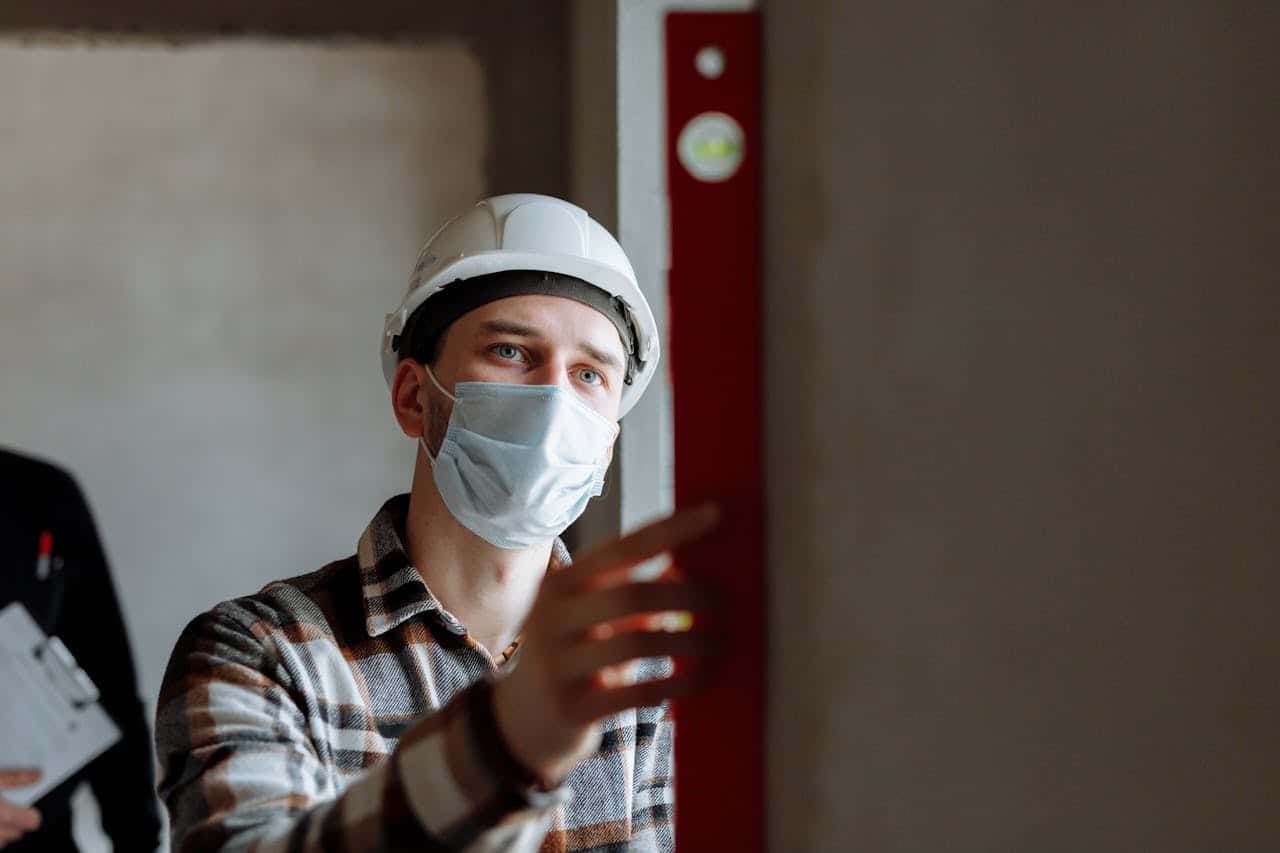
When you’re buying or selling a property, understanding a building and pest report is crucial, but it can also be overwhelming. These reports are filled with technical language and specific jargon that can be difficult to interpret, especially for those without a background in construction or pest management. The good news is that you don’t need a builder’s licence to read these reports effectively. With the right approach and a bit of guidance, you can easily navigate through the details and make informed decisions. Here’s how to read a building and pest report without needing to be an expert.
Understand the Structure of the Report
The first step in understanding a building and pest inspection report is recognizing its structure. Most reports follow a standard format that includes sections like an introduction, a summary of findings, a detailed breakdown of issues found, and recommendations for repairs or further action. Here’s what to expect:
- Introduction and Overview: This section provides general information about the property, including its location, the purpose of the inspection, and any limitations of the inspection (such as areas that couldn’t be accessed).
- Summary of Findings: The summary typically includes an overview of the condition of the property. It will highlight any major issues and provide a quick snapshot of whether the property is in good condition or requires significant work.
- Detailed Breakdown of Issues: This is the meat of the report. It lists each area of the property that was inspected, what was found, and whether any defects or concerns were identified. The report will often categorize issues based on their severity (e.g., “minor,” “moderate,” or “major” concerns).
- Recommendations: This section offers suggested next steps, such as repairing or replacing damaged elements, conducting further investigations, or seeking quotes from specialists.
Focus on the Key Sections: What You Need to Look For
Now that you know what to expect from a building and pest inspection report, it’s time to break down the key sections that you should focus on. Here are the areas that typically matter most to buyers:
- Structural Issues: These include problems with the foundation, walls, floors, and roof. Look for mentions of cracking, uneven floors, or other signs of shifting or settling. Foundation issues can be costly to fix, so pay close attention if the inspector notes anything concerning in this area.
- Pest Damage: Termites, ants, rodents, and other pests can cause significant damage to a property. If the report mentions any signs of pests, particularly termites, it’s crucial to take it seriously. Pest infestations can destroy structural timber and lead to expensive repairs. The report will likely detail the extent of the damage and whether further pest treatment is needed.
- Plumbing and Electrical Systems: While these issues are less visible, they’re just as important. The report should mention any problems with the property’s plumbing or electrical systems, such as leaks, outdated wiring, or insufficient water pressure. These are things that might not be immediately obvious but can be costly to repair.
- Roof and Exterior: The roof and exterior of the home are critical to its long-term durability. Check for any damage to the roof covering (e.g., tiles or shingles), the condition of gutters, or potential leaks. The inspector should also mention whether the property’s exterior (walls, windows, doors) shows any signs of wear or damage.
- Moisture and Mould: Moisture problems can lead to mould growth, which can affect both the property and your health. The report should point out any areas where moisture is present, such as leaks in the roof or around windows, and whether there are signs of mould.
- Safety Hazards: A good report will point out any immediate safety concerns, such as faulty wiring, fire hazards, or structural instability. These may require urgent attention before the property can be safely occupied.
Understand the Rating System
Most building and pest reports will use a rating system to help you understand the severity of each issue. While the exact system can vary between inspectors, it generally looks something like this:
- Minor: These are small, easily fixable issues that don’t pose a significant risk to the property’s value or safety. They’re often cosmetic in nature and should be addressed but don’t require immediate action.
- Moderate: These issues are more significant and may require repairs to prevent further damage. They’re typically not urgent but should be addressed in a reasonable timeframe.
- Major: Major issues are serious and can affect the property’s structural integrity or safety. They may require significant repairs or even rebuilding. If the report highlights major issues, it’s essential to seek professional advice about the next steps.
The rating system helps you quickly identify the severity of each problem and prioritize what needs to be fixed first. For example, if the report flags a major issue like a damaged foundation, that should be your focus. On the other hand, a minor issue like a cracked tile can be dealt with later.
How to Interpret Recommendations
After the detailed findings, the report will typically include recommendations. This is where you need to be careful, recommendations can vary depending on the inspector and the nature of the issues identified. Some recommendations will suggest simple repairs, while others may suggest further inspections or immediate action. Here’s how to handle these:
- For Minor Issues: A good recommendation might be as simple as “replacing a few tiles” or “sealing cracks in the wall.” These are low-cost fixes that you can address once you’ve taken ownership of the property.
- For Moderate Issues: If the inspector recommends getting further estimates or repairs for moderate issues, it’s worth following up. For example, if the report mentions issues with plumbing or electrical systems, it’s important to get a qualified professional to take a closer look and provide an accurate estimate for repairs.
- For Major Issues: Major issues are typically the most important. If the report suggests that further action is needed, such as getting quotes from structural engineers or pest control experts, don’t delay. These are often costly repairs, and getting multiple opinions or quotes will help you make an informed decision about whether to proceed with the purchase or renegotiate the price.
Gold Coast Building and Pest Inspection: Why Local Expertise Matters
When buying a property on the Gold Coast, it’s important to choose a local inspector who understands the region’s specific risks. The area’s humid climate, combined with its proximity to the coast, makes it more susceptible to pests like termites and moisture damage. A Gold Coast building and pest inspection will ensure that the inspector is familiar with these local issues, offering you a more accurate and detailed report.
Local inspectors will also be up-to-date on building standards specific to the region, helping you avoid unexpected costs or risks down the line. Choosing an inspector with expertise in the local market is one of the best ways to ensure that your investment is protected.
Conclusion
Reading a building and pest report doesn’t have to be intimidating. By focusing on the key areas of the property, understanding the severity of issues through the rating system, and following up on recommendations, you can make informed decisions about your purchase. Whether you’re a first-time homebuyer or a seasoned investor, taking the time to read and understand the inspection report can save you significant money and stress in the long run. And if you’re in the Gold Coast area, a thorough Gold Coast building and pest inspection will help ensure that you are fully aware of the property’s condition and any potential issues.