
Trading Walkable Cities For Wide-Open Spaces: How Senior Expats Adjust To Texas-Style Living

Many senior expats arrive in Texas after years in dense, walkable cities across Europe or Asia. Their daily routines once depended on short walks to cafés, markets, and public parks. Texas presents a different setting with long roads, larger homes, and wide suburban areas. For many retirees, the change brings excitement along with a learning period. They must discover new ways to structure daily activities and social time.
This transition asks them to adjust to Texas-style living while still holding onto habits that supported an active lifestyle before. With patience and curiosity, many seniors find that open spaces offer comfort, calm, and room for fresh routines.
Why Texas Appears on Lists of Popular Destinations For Expats
Texas continues to appear on lists of popular destinations for expats, and retirees often play a major role in that trend. The state offers warm weather, varied landscapes, and large residential communities that welcome new residents. Many seniors enjoy the relaxed pace found in smaller Texas towns. Housing options also appeal to retirees who seek spacious homes with yards. Community centers often organize gatherings, workshops, and volunteer projects. These activities help newcomers create friendships after relocation.
The Appeal of the Lone Star State for Retirement Abroad
Interest in Texas and retiring in the Lone Star State has grown over the past decade, especially among international retirees. Many people researching retirement options notice that Texas offers space, warm winters, and diverse communities. A growing number of seniors relocating to Texas appreciate the slower pace compared with major global capitals. Instead of crowded sidewalks, they discover quiet residential streets and large local parks. The lifestyle shift encourages them to spend more time outdoors. Gardening, walking trails, and neighborhood events become new daily habits. This change helps many retirees replace the social rhythm they once enjoyed in walkable cities.
Learning to Drive More and Walk Less
One of the first adjustments senior expats face involves transportation. In many global cities, public transit and short walking routes support daily errands. Texas communities often require driving to reach grocery stores, pharmacies, and social events. Some retirees feel uncertain about returning to frequent driving after years of relying on trains or buses. With time, most regain confidence behind the wheel and learn local traffic patterns. Car travel also opens new opportunities to explore nearby towns and parks.

Comparing Texas With Other Countries For Expats
Many retirees evaluate Texas after considering several countries to live in as an expat during retirement planning. Some examine European destinations known for compact towns and strong public transit systems. Others explore coastal regions in Asia or Latin America that attract retirees from around the globe. Texas often stands apart because it combines space, modern infrastructure, and strong community networks. Senior expats also value the wide selection of housing options across cities and smaller towns. They can choose lively urban districts or quiet neighborhoods depending on personal preference.
Creating New Daily Routines in Spacious Communities
A walkable city often shapes a person’s daily rhythm. Morning coffee, grocery trips, and casual chats with neighbors can happen within a short stroll. When seniors relocate to Texas, they often design fresh routines that match a more spread-out environment. Some schedule morning drives to parks or walking trails to stay active. Others join community fitness classes that encourage regular movement. These small changes help retirees maintain physical health while adapting to their surroundings. Over time, the new routines begin to feel natural and rewarding.
Access to Reliable Elderly Care Services
Healthcare access remains a central concern for many retirees living abroad. Texas communities provide a wide range of medical providers and elderly care services designed for aging residents. Senior expats often research local clinics, home assistance programs, and community health centers soon after arrival. Many neighborhoods offer transportation services for medical appointments and grocery trips. Support groups and wellness programs also help seniors remain active and independent. Families living abroad often feel reassured knowing these services exist. With reliable care available, retirees gain confidence in their decision to settle in Texas.
Practical Ways Seniors Adjust to Texas-Style Living
Many retirees discover that learning to adjust to Texas-style living involves both practical and emotional changes. Spacious homes and larger neighborhoods create a sense of calm that differs from dense urban districts. At the same time, seniors must build new habits to maintain social contact and daily activity. Community events, hobby clubs, and volunteer opportunities help them meet neighbors. These connections slowly replace the familiar street life they once enjoyed in walkable cities. Many retirees say the transition improves their quality of life once they embrace the slower pace. Over time, wide open spaces begin to feel welcoming rather than unfamiliar.
Rediscovering Outdoor Activities and Natural Spaces
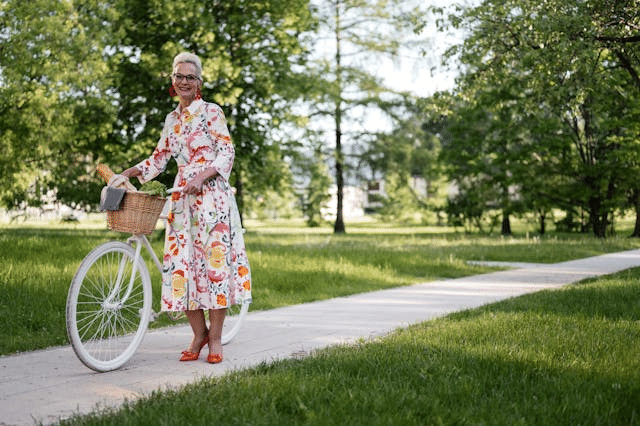
Texas offers an abundance of outdoor environments that appeal to retirees seeking fresh air and quiet surroundings. Large state parks, lakes, and walking trails provide space for regular exercise and relaxation. Senior expats often schedule weekly outings to explore nearby natural areas. These trips help them stay active while enjoying the calm scenery found across the state. Some retirees join walking groups that meet at local parks each week. These gatherings combine physical activity with social conversation. Experiences such as these help newcomers adjust to Texas-style living while strengthening community ties.
Discovering the Value of Local Community Centers
Community centers often serve as meeting points for seniors living in suburban neighborhoods. Many Texas towns maintain active centers that host educational workshops, exercise classes, and social events. Senior expats appreciate the welcoming environment these centers provide. They can attend cooking demonstrations, craft sessions, or group discussions on travel and culture. These activities encourage interaction with neighbors who share similar interests. Participation also helps retirees remain mentally and physically active. Over time, community centers become a key part of everyday life.
Adapting Home Design for Comfort and Mobility
Housing design often changes after retirement, especially for seniors moving abroad. Many expats in Texas select homes that support comfort and easy movement. Single-level houses, wider doorways, and accessible bathrooms make daily life simpler. Spacious kitchens and living areas also allow retirees to host friends and family gatherings. These homes often include outdoor patios or gardens that encourage relaxation. The design choices support aging residents while maintaining a sense of independence. For many retirees, the home becomes the center of their new lifestyle.
Finding Comfort as Seniors Adjust to Texas-Style Living
Relocating from compact global cities to wide Texas landscapes presents both challenges and opportunities for senior expats. The change requires patience, curiosity, and a willingness to build new routines. Outdoor activities, supportive services, and welcoming neighbors help seniors remain active and socially connected. Friendships formed through local groups often replace the street interactions once found in walkable districts. With each passing year, many retirees grow more comfortable as they adjust to Texas-style living.