
The Distinctive Shape Of The Marquise Cut Diamond And Why It Still Feels Different
There are certain diamond shapes that feel instantly familiar, shapes that have been repeated so often they almost disappear into expectation. When people begin exploring a marquise cut diamond, they are often drawn in by that difference before they fully understand why.
At first glance, the shape seems straightforward. It is elongated, with pointed ends and curved sides, forming something that sits somewhere between an oval and a leaf. But the longer you look at it, the more it reveals a certain tension between softness and precision. The curves feel fluid, while the points introduce a sharpness that gives the stone its character.
This balance is what has allowed the marquise cut to remain relevant, even as trends have shifted around it.
A Shape With Historical Origins
The marquise cut carries a story that is often repeated, though the details vary depending on who is telling it. It is commonly said to have been commissioned in eighteenth-century France, designed to resemble the shape of a smile. Whether entirely accurate or not, the story reflects something true about the cut itself.
It was created with intention. Unlike some shapes that evolved gradually, the marquise cut feels deliberate. Its proportions are carefully considered, its outline designed to stand apart from more conventional forms.
Over time, the shape moved beyond its original context and found its place within engagement jewellery. It has never dominated in the way that round or oval diamonds have, but it has maintained a consistent presence, often chosen by those looking for something that feels slightly less expected.
The Visual Impact of an Elongated Shape
One of the defining qualities of a marquise cut diamond is its length. The elongated form creates a different kind of presence compared to more compact shapes. It draws the eye along its length rather than outward in all directions.
This has a subtle but noticeable effect when the diamond is worn. On the hand, the shape can create the impression of greater size, as the diamond appears to stretch across the finger. At the same time, it introduces a sense of elegance that feels distinct from rounder stones.
The pointed ends contribute to this effect. They give the diamond direction, guiding the eye and creating a sense of movement even when the stone is still.
Light and Symmetry
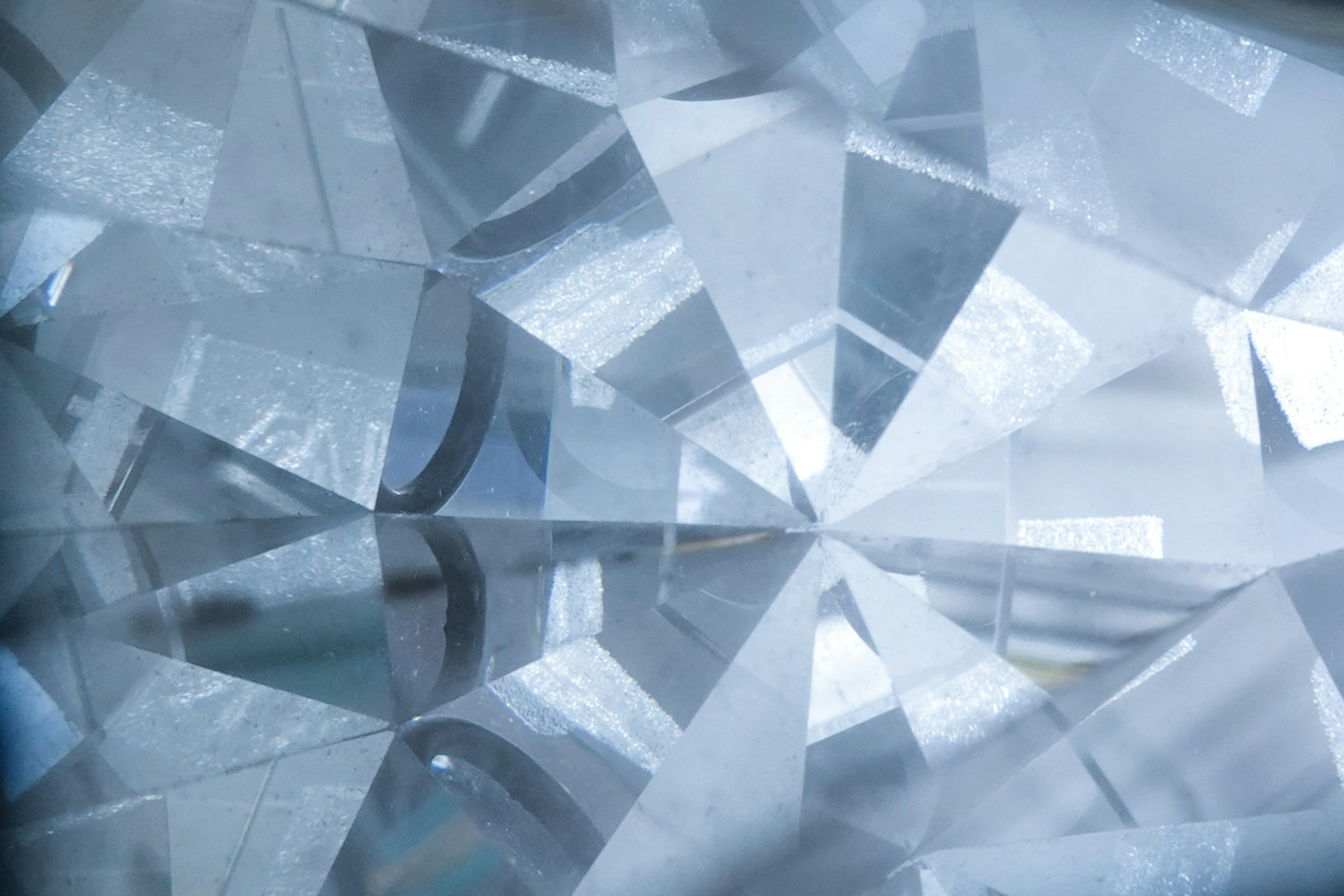
Like all diamonds, the marquise cut relies on facets to interact with light. However, the arrangement of these facets differs from more common shapes. The elongated form creates a pattern of reflections that runs along the length of the stone.
When well cut, the diamond produces a balance of brightness and contrast that feels evenly distributed. When less precise, the shape can reveal areas where light does not return as effectively.
This makes symmetry particularly important. The two halves of the diamond need to mirror each other closely, with the points aligned and the curves balanced. Even small deviations can become noticeable because of the shape’s elongated nature.
A Shape That Encourages Individuality
The marquise cut has never been the default choice, and that is part of its appeal. It tends to attract people who are comfortable stepping slightly outside of expectation.
This does not mean the shape feels unconventional in a dramatic sense. Rather, it introduces a subtle distinction. It is recognisable, yet not overly familiar.
For some, this difference feels more personal. It allows the ring to stand apart without feeling disconnected from tradition.
How the Shape Influences Ring Design
When set into a ring, the marquise cut diamond often becomes the defining feature of the design. Its shape naturally draws attention, which means the surrounding elements tend to support rather than compete with it.
Simple settings allow the diamond’s outline to remain clear and uninterrupted. More detailed designs may incorporate additional stones or metalwork, but the central shape still anchors the composition.
Orientation also plays a role. Some rings position the diamond vertically along the finger, emphasising its length. Others set it horizontally, creating a different kind of balance that feels more contemporary.
These variations show how a single shape can be interpreted in multiple ways.
A Quiet Presence That Endures
Despite its distinctiveness, the marquise cut has never felt tied to a specific era. It has appeared in vintage jewellery and continues to be reinterpreted in modern designs.
This ability to move between styles is part of what has allowed it to endure. It does not rely on trends to remain relevant. Instead, it offers something slightly different, something that feels considered rather than obvious.
For those drawn to it, the appeal is often immediate. It is not a shape that requires explanation. It simply feels right in a way that is difficult to articulate.