
Starting An Import Business In Australia: Compliance, Equipment And Setup
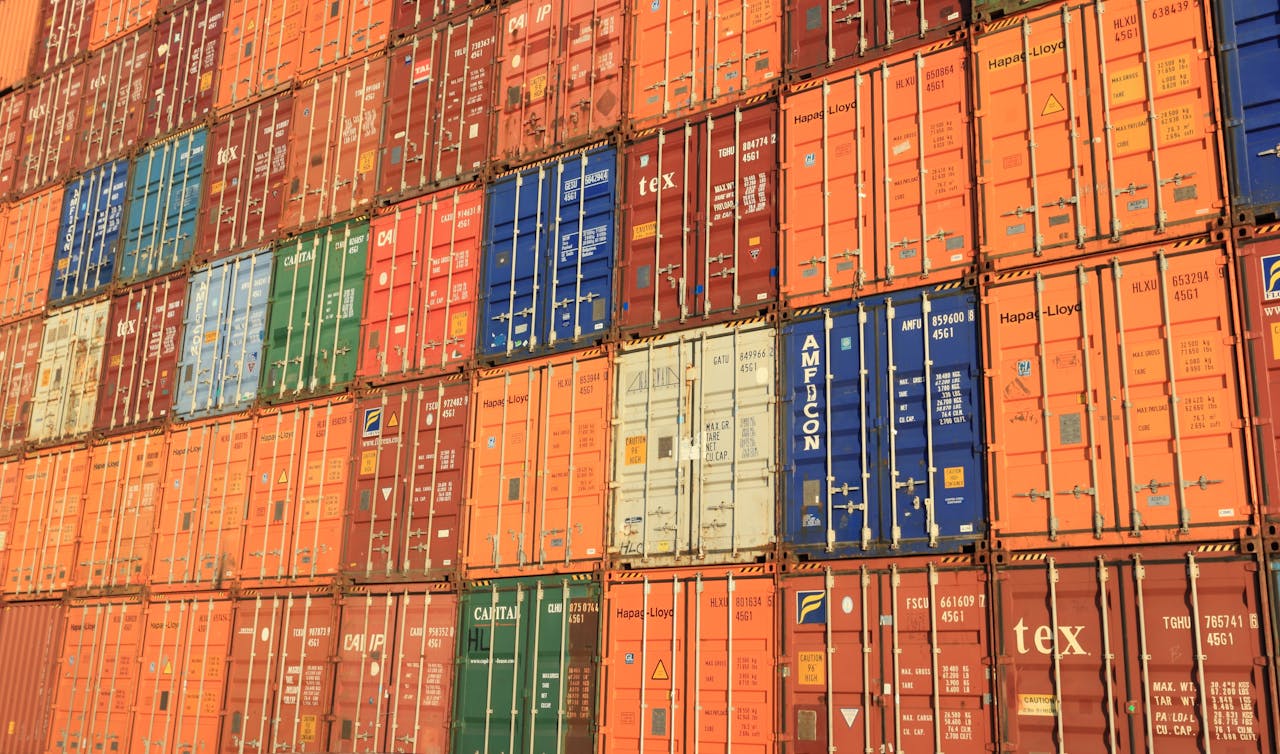
Australia’s strong consumer market, proximity to Asia-Pacific trade routes and stable regulatory environment make it an attractive place to start an import business. But importing is not simply about finding overseas suppliers and placing orders. It is about compliance, logistics, storage and operational readiness from day one. If you are planning to build an import operation that lasts, you need to understand the regulatory framework, invest in the right infrastructure and design systems that can scale.
Done properly, an import business can grow steadily. Done casually, it can stall at the border.
Compliance: The Foundation of Your Import Operation
Before goods reach a warehouse, they must pass through Australia’s regulatory system.
Importers must secure an Australian Business Number and understand their responsibilities under customs law. Depending on the product category, you may need permits, certifications or biosecurity clearances. Australia’s biosecurity standards are particularly strict, especially for agricultural products, timber packaging and food items.
Customs declarations must be accurate and timely. Errors can result in shipment delays, penalties or seized goods. Many importers work with licensed customs brokers to ensure documentation is correct and duties are calculated properly.
You must also understand applicable tariffs, GST obligations and product-specific compliance requirements. Electrical goods, toys, cosmetics and food products often require safety or labelling standards to be met before sale.
Compliance is not an administrative afterthought. It is operational risk management. Without it, your inventory may never reach the shelf.
Warehousing and Equipment: Infrastructure Is Not Optional
There is no meaningful import business without storage. Even if you operate primarily online, your goods need to be received, inspected, stored and dispatched efficiently.
A warehouse is not just a space. It is a system.
Your storage setup must consider product type, volume and turnover rate. Palletised goods require racking systems that optimise vertical space. Fragile goods need controlled environments. High-turnover products demand logical layout for fast picking and dispatch.
This is where machinery becomes essential.
Forklifts
If you are handling palletised shipments, forklifts are not optional. They are fundamental to warehouse efficiency and safety. Containers arriving from overseas are typically loaded with pallets or bulk-packed goods. Manual unloading is impractical and unsafe for most operations.
A forklift allows you to unload containers quickly, move goods into racking and prepare outbound shipments efficiently. Without one, your labour costs increase and productivity drops.
Selecting the right forklift depends on your warehouse size, aisle width and load weight. Electric models may be suitable for indoor environments where emissions and noise need to be controlled. Larger diesel or LPG models may be appropriate for outdoor yards or heavier loads.
Reliable equipment matters. Downtime in a warehouse slows the entire supply chain. Many businesses source their material handling equipment from All Lift Forklifts to ensure consistent performance and maintenance support.
Forklifts are not just about speed. They are about operational control, worker safety and scalable logistics.
Pallet Racking Systems
Storage efficiency depends on proper racking design. Adjustable pallet racking allows flexibility as inventory changes. For importers handling varied products, adaptable systems prevent constant reconfiguration costs.
Investing in quality racking reduces product damage and improves safety compliance. Collapsed or overloaded racks create serious risk and potential liability.
Inventory Management Systems
Physical storage must be matched with digital tracking. An inventory management system helps you monitor stock levels, reorder points and turnover rates. Import cycles can be long. Without clear visibility, you risk over-ordering slow-moving goods or running out of best sellers.
Barcode systems and warehouse management software improve accuracy and reduce picking errors.
Efficient warehousing is the backbone of profitable importing.
Supplier Relationships and Logistics Planning
Beyond compliance and storage, your supplier network determines business stability.
Choose suppliers with proven production standards and transparent communication. Establish clear quality control procedures before goods leave the origin country. Third-party inspections can prevent costly returns or product recalls.
Freight planning also requires strategy. Air freight offers speed but increases cost. Sea freight reduces per-unit cost but requires longer lead times. Understanding demand cycles allows you to choose the appropriate method for each shipment.
Incoterms must be clearly defined in contracts. Whether you are responsible for shipping, insurance and customs clearance depends on these terms. Clarity prevents disputes and unexpected expenses.
Reliable freight forwarders become long-term partners. They coordinate shipments, manage documentation and reduce logistical friction.
Financial Planning and Cash Flow
Import businesses are capital-intensive. You pay suppliers before revenue is generated. Shipping, customs duties and warehousing costs accumulate before goods are sold.
Cash flow planning is critical. Model lead times accurately. If sea freight takes six weeks and customs clearance takes another week, your capital is tied up for nearly two months before products reach customers.
Build financial buffers to absorb delays or unexpected tariff changes. Underestimating working capital needs is one of the most common mistakes new importers make.
Pricing must account for landed cost, including freight, insurance, duties, storage and distribution. Competitive pricing is only sustainable when full cost structures are understood.
Risk Management and Insurance
Imported goods are exposed to risk at multiple stages. Transit damage, container loss, customs seizure and warehouse accidents are all potential threats.
Marine cargo insurance protects shipments during transit. Warehouse insurance covers stored inventory against fire, theft or damage.
Risk management also includes diversification. Relying on a single overseas supplier increases vulnerability. Political instability, manufacturing disruptions or shipping congestion can halt operations unexpectedly.
Building redundancy into your supply chain strengthens long-term resilience.
Setting Up for Growth
An import business that begins in a small warehouse can scale if systems are designed correctly from the start.
Choose a location with room to expand or the ability to relocate without excessive disruption. Ensure racking systems and material handling equipment can support increased volume.
Standardise processes early. Receiving procedures, inspection checklists and dispatch protocols should be documented clearly. Consistency improves training and reduces error as your workforce grows.
Technology investment also pays off long term. Integrated accounting and inventory platforms allow real-time tracking of margins and stock performance.
Growth in importing is rarely sudden. It is built on operational consistency.
Final Considerations
Starting an import business in Australia requires more than product sourcing. It demands regulatory compliance, strategic logistics, financial discipline and physical infrastructure capable of handling volume safely.
Warehousing and equipment decisions, particularly around forklifts and storage systems, directly influence efficiency and profitability. Compliance determines whether goods enter the country smoothly. Supplier management and cash flow planning shape long-term sustainability.
When these elements align, importing becomes a structured, scalable operation rather than a reactive venture.
The opportunity is real. But it belongs to those who treat setup as seriously as sales.