
Is Hawaii A Good Place To Retire? Practical Expat Advice
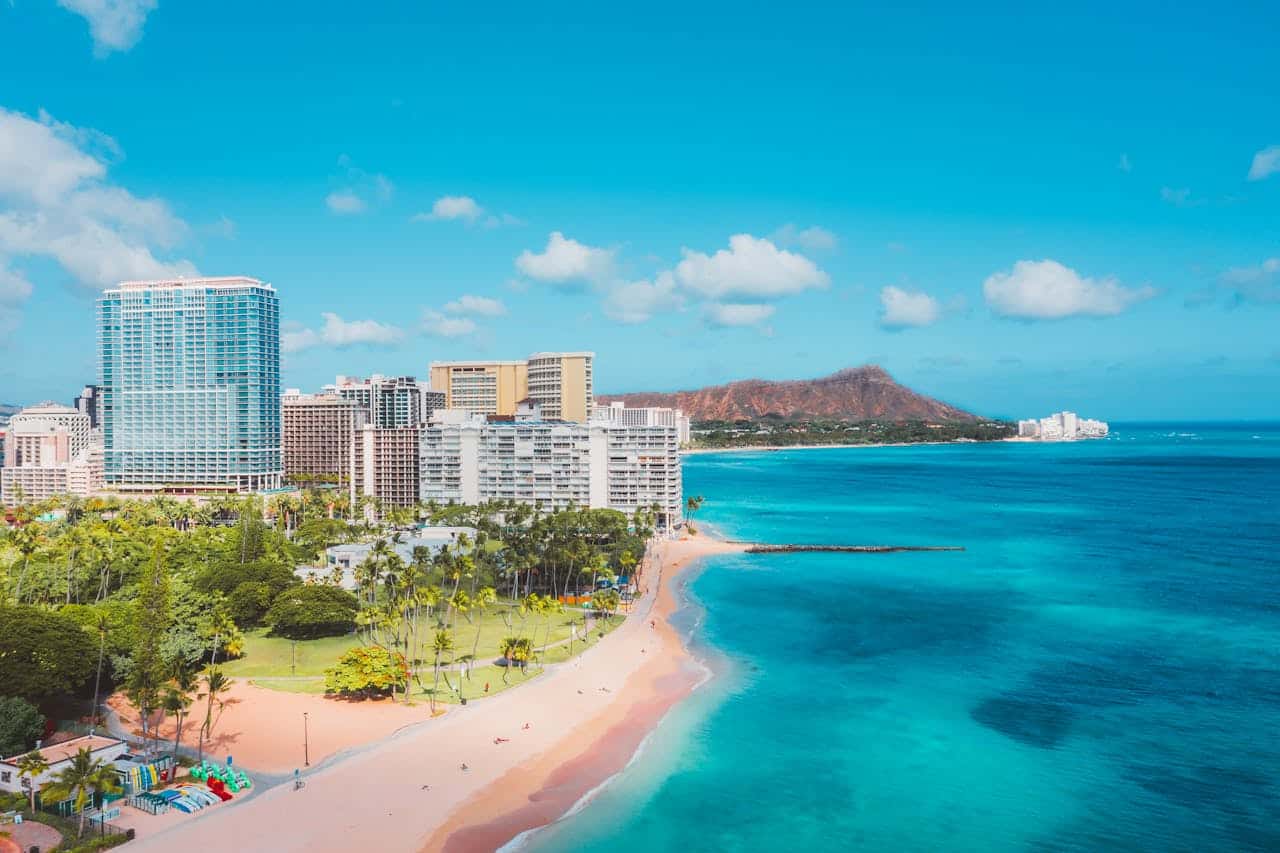
For many expats, the idea of retiring in Hawaii feels like a reward after decades of work abroad. Warm weather year-round, ocean views, a slower pace of life and strong community values make the islands attractive to retirees seeking both beauty and stability. But retiring in Hawaii is not simply about sunsets and beaches. It requires careful planning around cost of living, healthcare, housing and logistics. If you are considering making Hawaii your retirement base, it is important to understand both the advantages and the realities.
The Lifestyle: Climate, Pace and Community
Hawaii offers one of the most consistent climates in the United States. Temperatures are generally warm without extreme seasonal variation. This makes daily life predictable and comfortable, particularly for retirees who want to avoid harsh winters.
The lifestyle is slower paced compared to mainland urban centres. Community ties tend to be strong, and neighbourhood culture matters. Many retirees appreciate the sense of belonging that develops through local markets, cultural events and outdoor gatherings.
Outdoor living is part of everyday life. Walking along the coast, swimming, gardening and socialising outdoors are common routines. For active retirees, this environment supports physical health and mental wellbeing.
However, island living also requires adaptation. Goods can cost more due to shipping expenses, and certain conveniences available on the mainland may be limited or slower to access.
Cost of Living: What to Budget Realistically
Hawaii consistently ranks among the most expensive states in the U.S.
Housing is the largest expense. Median home prices, particularly on Oahu and Maui, are significantly higher than many mainland markets. Renting is also costly, especially in desirable coastal communities.
Groceries and utilities can exceed mainland averages due to import reliance. Electricity rates are notably higher, although solar adoption has increased in recent years.
Retirees relying on fixed incomes must plan conservatively. Healthcare premiums, property taxes and maintenance costs should all be factored into long-term budgeting.
On the positive side, Hawaii does not tax Social Security benefits, which can benefit retirees drawing U.S. retirement income.
Healthcare Access and Quality
Healthcare is a major consideration for retirees anywhere.
Hawaii offers reputable hospitals and medical centres, particularly on Oahu. However, more remote islands may have fewer specialist services, requiring travel between islands or to the mainland for complex procedures.
Medicare is accepted, but supplemental insurance planning is important. Proximity to hospitals and clinics should influence housing decisions.
Retiring comfortably means choosing a location that balances scenery with accessibility to essential services.
Choosing the Right Island
Each island has a distinct character.
Oahu offers the most services, healthcare facilities and infrastructure. It also has the highest population density.
Maui provides scenic living with strong retiree communities but comes with higher housing costs.
The Big Island offers more space and relatively lower property prices in some regions, though services may be less concentrated.
Kauai provides tranquility but limited urban infrastructure.
Visiting each island before committing is strongly recommended. Lifestyle preferences and healthcare proximity should guide the decision more than aesthetics alone.
The Practical Side of Moving to Hawaii
One area many retirees underestimate is the complexity of relocating to an island state.
Moving to Hawaii requires more logistical planning than a standard domestic relocation. Shipping household goods, vehicles and personal belongings across the Pacific involves coordination, timing and cost management.
Downsizing is often necessary. Island homes may be smaller, and shipping large volumes of furniture can become expensive. Retirees should evaluate what truly needs to make the move.
Working with an experienced moving company that understands interstate and overseas relocation to Hawaii can significantly reduce stress. Established Maui movers who also handle long-distance relocations, such as Wailea Movers, are familiar with the specific coordination required for island moves, including freight scheduling, container logistics and careful handling for extended transit times.
Proper packing for sea freight, coordination of port delivery schedules and customs documentation for international expats are critical components of a smooth relocation.
Vehicle shipping also requires advance booking and compliance with port requirements. Timing matters, especially during peak relocation seasons.
Choosing a professional moving partner ensures your transition is organised and predictable, which is especially important when relocating during retirement years.
Taxes and Financial Planning
Hawaii has state income tax, and rates vary depending on income levels. Retirees should consult a financial advisor familiar with Hawaii tax law to assess long-term implications.
Property taxes are relatively low compared to some mainland states, but high property values can offset that advantage.
Estate planning should also be updated upon relocation. Laws can differ by state, and ensuring wills and trusts comply with Hawaii regulations prevents complications later.
Financial clarity allows retirees to enjoy island life without uncertainty.
Community and Social Integration
Retirement satisfaction often depends on social connection. Hawaii has strong volunteer networks, religious communities and cultural groups. Many retirees join local clubs, engage in conservation projects or participate in cultural festivals.
However, integration takes time. Respect for local culture and traditions is important. Being mindful of community dynamics helps newcomers build positive relationships.
Retiring in Hawaii is not about recreating mainland life. It is about adapting to island values while contributing meaningfully.
Is Hawaii the Right Retirement Destination?
Hawaii can be an exceptional place to retire for expats seeking climate stability, natural beauty and community orientation.
But it is not a low-cost paradise. It requires realistic budgeting, thoughtful island selection and careful relocation planning.
If you value outdoor living, cultural richness and year-round warmth — and are prepared for higher costs and logistical planning — Hawaii can offer a deeply rewarding retirement environment.
The key is preparation.
Visit first. Run detailed financial projections. Secure healthcare access. Plan your move professionally.
With structured planning and the right support, retiring in Hawaii can be less about fantasy and more about sustainable, enjoyable living.