
How Mixed-Use Spaces Enhance Urban Living Experiences
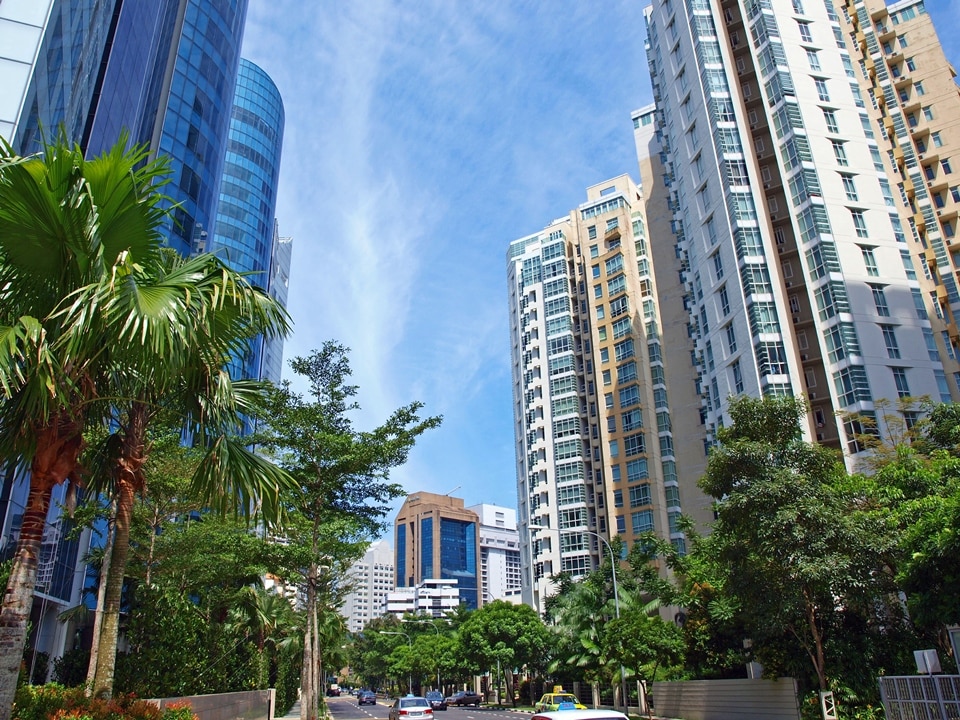
Modern cities are using more mixed spaces, bringing amenities, homes, and people together. These developments are redefining urban living by providing convenience, community, and opportunities. Understanding how these types of spaces enrich quality of life helps urban dwellers appreciate the value these spaces add.
Convenience at Every Corner
Mixed-use developments like Marina One Residences provide people with access to essential services without lengthy travel. Living close to shopping, dining, and services saves time and energy. This proximity cuts down on stress and makes it easier to run errands. Walkable neighborhoods foster healthy living because they make walking a more appealing option than driving. Quick access to day-to-day requirements creates a more efficient lifestyle.
Encouraging Social Connections
Mixed-use areas provide many opportunities for social interaction. People connect over a cup of coffee, at local markets, or at a community event. Outdoor areas like parks or plazas create a sense of community. Frequent interactions with neighbors allows individuals to build stronger friendships with them. These connections promote mental health and reduce feelings of loneliness and isolation.
Boosting Local Economies
Strong foot traffic in vibrant mixed-use neighborhoods benefits retailers, restaurants, and service providers. It creates an environment that encourages entrepreneurship and supports startups. Local establishments thrive, which creates jobs for nearby residents. Customers who live and work nearby create a more sustainable model for economic growth.
Promoting Sustainable Lifestyles
Reduced traffic means lower emissions, which benefits both the environment and public health. Mixed-use neighborhoods often support public transit, biking, and walking. These transportation options reduce noise and air pollution. Urban planners find that compact developments also use less land. This approach preserves green spaces and promotes responsible resource use.
Enhancing Safety and Security
Active streets that support various uses make residents feel safer. An area where people are constantly moving around helps prevent unwanted activity. Bright and busy public spaces make it easier to notice something out of the ordinary. Residents also feel more comfortable walking home late at night. An active scene, courtesy of businesses and recreational spaces, creates a sense of security.
Offering Diverse Housing Options
Often, mixed-use projects have more than one type of housing option available. Residential spaces, such as apartments, condominiums, and townhomes, can be adjacent to commercial properties. This diversity draws in people from all walks of life. Families, retirees, and students all have suitable spaces to live. Urban neighborhoods have diversity, which is a part of their fabric.
Supporting Cultural and Recreational Activities
Public spaces in mixed-use developments often host art exhibits, performances, and festivals. These events not only celebrate local talent, but they also add to the tourist and visitor experience. Parks, gyms, and sports facilities promote active lifestyles among residents. Access to recreation enhances well-being and provides healthy outlets for stress relief.
Adapting to Changing Needs
Due to growth in population and changing requirements, cities change over time. Mixed-use environments can adjust more easily to these changes. Spaces that are flexible make it possible for buildings to be used for a different purpose. Retail units can become offices, while open spaces turn into parks. Adaptability keeps communities alive and allows them to continue to thrive.
Improving Real Estate Value
Mixed-use areas tend to retain their value more than single-use zones. Buyers and renters value convenience and quality of life. These spaces attract long-term investment, which boosts the appeal of the neighborhood. Developers often find that the demand is consistent even during economic shifts.
Fostering Healthy Lifestyles
Staying healthy is important, and having access to groceries, gyms, and outdoor areas all contribute to it. Residents can be active without traveling long distances. Healthy food choices are easier to find when markets and cafes are close by. Sustainable food practices are also promoted by community gardens and green roofs.
Conclusion
Mixed-use spaces provide a blend of convenience, community, and opportunity. Their influence permeates every aspect of daily life. These developments prioritize walkability, social interaction, and adaptability, making them appealing places to live, work, and relax. Cities that adopt this approach provide residents with richer, healthier, and more connected experiences.