
Finding The Right Neighbourhood In Portland To Rent
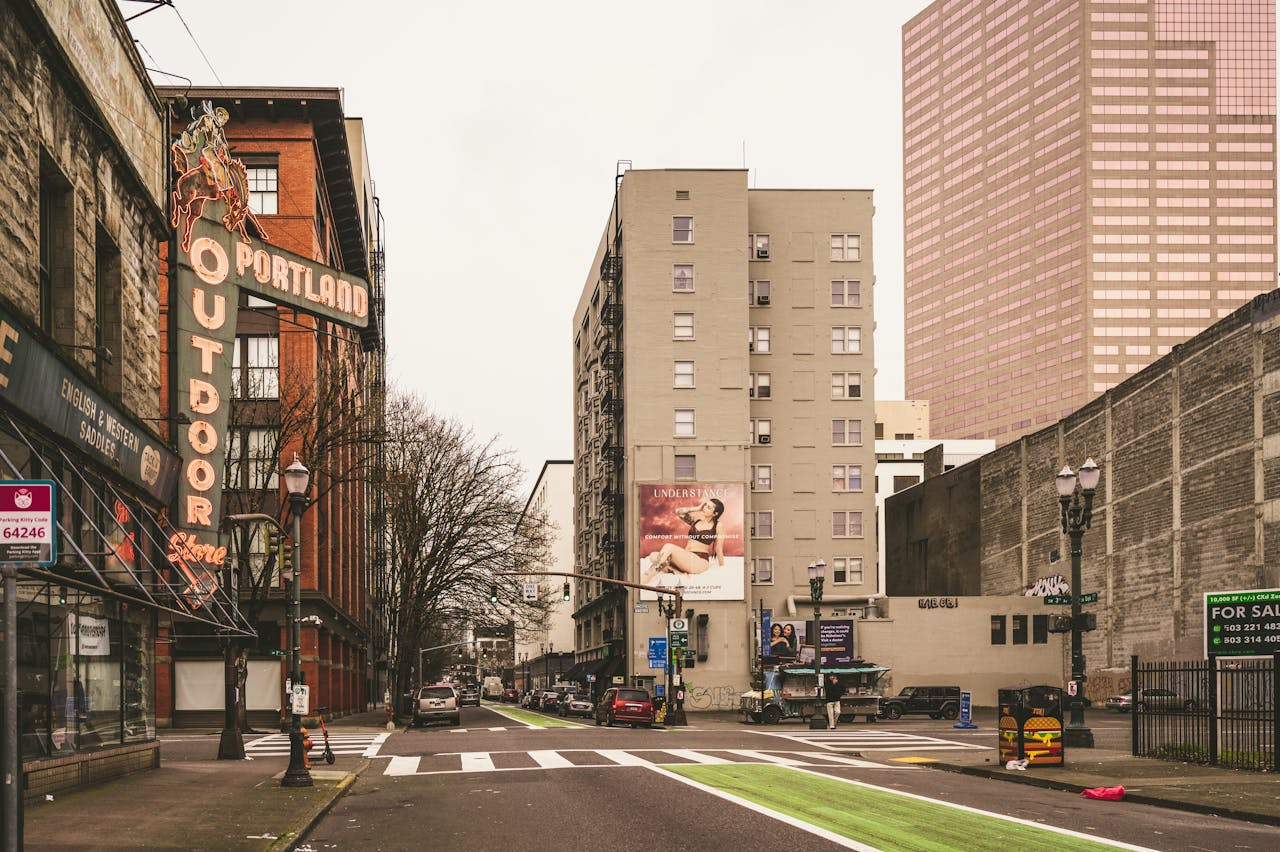
Portland, Oregon is a city known for its vibrant culture, walkable neighbourhoods and deep connection to the Pacific Northwest’s natural beauty. For newcomers and expats, finding the right neighbourhood to rent is more than finding a roof over your head — it’s about lifestyle, budget, commute and access to community resources.
Let’s break down the city’s 6 quadrants, major rental regions, what makes each unique, and the practical factors you should consider before signing a lease, from cost expectations and public transport to schools, amenities and long-term suitability.
Understanding Portland’s Rental Market
Portland’s rental market has grown increasingly competitive over the past decade. Rising demand and a relatively limited housing supply mean that rents vary widely across the city.
Central neighbourhoods, transit-connected areas and those with desirable lifestyle features typically command higher prices. More affordable rentals are found further from downtown or in transitional communities rebuilding local infrastructure.
Before starting your search, set a clear budget that includes rent, utilities and everyday living costs. Many landlords require proof of income — commonly three times the monthly rent — and a rental history or credit check. For newcomers without local credit records, a co-signer, employer reference or larger initial security deposit can strengthen your application.
Downtown and Pearl District: Urban Vibe, Close to Everything
Rental Style and Cost
If you want to be in the heart of city life, Downtown Portland and the Pearl District offer the most walkable urban experience. Expect a concentration of high-rise and mid-rise apartment buildings with modern finishes and close access to restaurants, boutiques and cultural venues.
Rental prices here are among the highest in the city, reflecting convenience and lifestyle. Many buildings offer amenities like secure bike storage, fitness centres and concierge service — features appreciated by professionals and newcomers who prioritise ease of living.
Lifestyle
Living downtown means short walks to work, entertainment and transit connections such as the MAX Light Rail and Portland Streetcar. However, this centrality comes with heavier traffic, fewer private outdoor spaces and smaller interior square footage compared with suburban neighbourhoods.
Northwest, Nob Hill and Hillside: Historic Charm Meets Convenience
Rental Style and Cost
The Northwest District, including Nob Hill and Hillside, blends historic character with modern rental options. Expect brick townhomes, boutique apartments and tree-lined streets. This area remains popular with renters who want charm without sacrificing walkability.
Rents are generally high given proximity to downtown and abundant amenities, but the neighbourhood’s appeal makes it worth considering for those prioritising community feel and local culture.
Lifestyle
Coffee shops, bakeries and independent retailers are hallmarks of Northwest Portland. Easy access to Forest Park and outdoor trails adds recreational value. Transit options are strong, though many residents also prefer biking or walking for daily errands.
Southeast Portland: Diverse Communities and Local Flavour
Areas to Know
Southeast Portland includes neighbourhoods such as Hawthorne, Division/Clinton, Mt. Tabor and Ladd’s Addition. These areas offer a more eclectic and relaxed vibe with a mix of older houses, duplexes and smaller apartment buildings.
Rental Style and Cost
Rent in Southeast is generally more affordable than downtown or northwest, but prices vary by corridor and proximity to trendy streets. Hawthorne Boulevard and Division Street, with their cafés, vintage shops and entertainment venues, attract renters seeking vibrant, neighbourhood-oriented living.
Lifestyle
Southeast Portland is known for cultural diversity, local artisans and strong neighbourhood identity. Transit coverage is robust, and many areas are bike-friendly. Parks like Mt. Tabor provide scenic escapes within city limits.
Northeast Portland: Community-Focused and Accessible
Areas to Know
Northeast Portland includes neighbourhoods such as Alameda, Irvington, Concordia and Cully. This broad area varies from quiet suburban blocks to corridors with local businesses and community hubs.
Rental Style and Cost
Rent tends to be moderate compared with Downtown and Northwest. Older homes converted into rental units, bungalow apartments and smaller complexes are common. Prospect renters often find better space for the price here.
Lifestyle
The community feel is strong in Northeast Portland. Local markets, seasonal street fairs and neighbourhood associations help newcomers integrate more quickly. Transit access is decent, with MAX lines and bus options connecting to central Portland and other districts.
Southwest Portland: Natural Beauty and Suburban Calm
Areas to Know
Southwest Portland includes Oregon Health & Science University (OHSU) areas, Southwest Hills and regions bordering Beaverton.
Rental Style and Cost
Expect higher rents in premium hillside areas with views, and more affordable options closer to transit corridors. Apartment complexes near OHSU often cater to students, professionals and healthcare workers.
Lifestyle
Southwest Portland balances city access with quiet residential streets and quick routes to parks like Tryon Creek State Natural Area. Commutes vary depending on traffic and transit choices, but proximity to downtown makes this region appealing for a mix of renters.
Outer East and Far Southeast: Affordable Space and Growth
Rental Style and Cost
If budget prioritisation is at the top of your list, Far East and Far Southeast Portland offer some of the city’s most affordable rents. These areas primarily feature larger apartments and older single-family rentals.
Lifestyle
Commuter times may be longer, but transit routes and highway access allow reasonable access to central jobs. These neighbourhoods are often family-oriented, with community schools and parks defining daily life.
Schools and Family Considerations
For expats with children, Portland’s neighbourhood differences extend into schools and community services.
Public schools are administered by the Portland Public Schools (PPS) district, with notable magnet and specialty programmes available in select areas. Many families also explore charter schools and private options, depending on educational preferences and budget.
School quality can vary by neighbourhood, so consult district ratings, talk to local families and consider proximity when choosing where to rent.
Transportation: How Location Shapes Your Daily Routine
Portland’s public transport — including the MAX Light Rail and bus system — is generally reliable and expands across most neighbourhoods. If you prioritise transit access, areas near MAX lines or major bus corridors should be high on your list.
Biking is a core part of Portland culture, with dedicated lanes and local infrastructure making it attractive for commuters and recreational riders alike. Walkability scores vary, so assess daily errands, grocery access and commute routes when evaluating rental options.
What to Expect Day-to-Day
Daily life in Portland varies by neighbourhood, but there are common threads:
Restaurants and cafés reflect local tastes and artisan culture. Community events like farmers’ markets, art walks and music festivals are frequent.
Outdoor recreation — from Forest Park trails to the Willamette River — blends naturally with urban living.
Seasonal weather influences lifestyle: rainy winters encourage indoor venues and community engagement, while summers open patios, concerts and outdoor adventures.
Portlanders value sustainability, independent businesses and local creativity. Being part of the community often means supporting neighbourhood events, volunteering with local organisations or joining interest groups like cycling clubs or urban gardening co-ops.
Practical Tips for New Renters
Begin your search online with reputable rental platforms like Zillow, Apartments.com and HotPads.
Have documentation ready: proof of income, references, employment letter and identification. If you lack US credit history, a co-signer or stronger financial proof can help.
Visit multiple properties at different times of day to assess noise, parking, natural light and neighbourhood rhythm.
Talk to neighbours about daily life, parking patterns and safety. These informal insights often reveal more than listings alone.
Final Thoughts: Where You Rent Shapes How You Live
Choosing where to rent in Portland is a meaningful decision. Your neighbourhood will influence your commute, social life, recreation, community involvement and everyday routine.
Portland offers diversity in housing and lifestyle that suits wide-ranging preferences — from urban street life to quiet suburban streets, from cultural hotspots to family-oriented communities.
Focus on what matters most to you — walkability, transit access, school quality, affordability or outdoor access — and let that guide your neighbourhood choice.
With preparation, on-the-ground research and realistic expectations, you’ll not only find a place to rent — you’ll find a place to belong.