
A Practical Guide To Starting A Farm After Returning To Australia
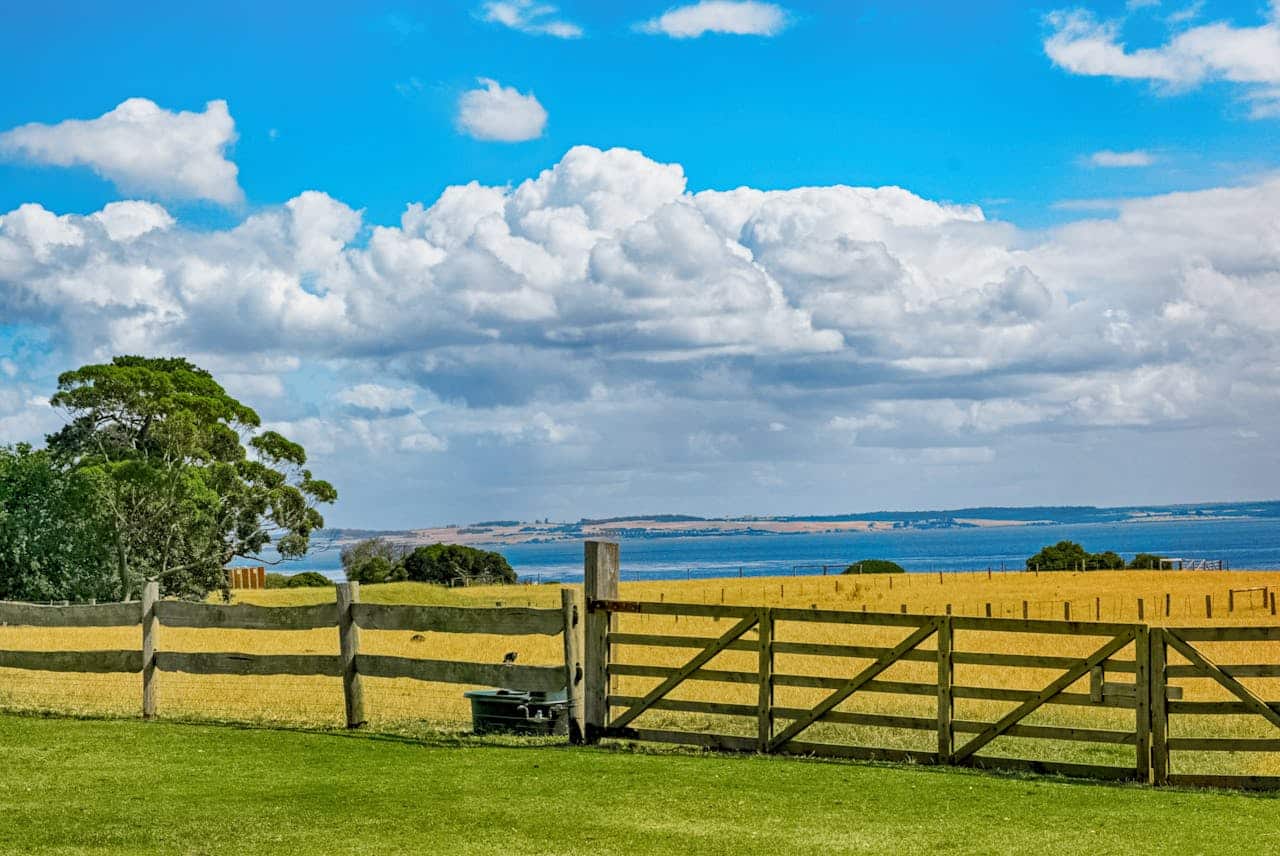
Returning to Australia after years overseas often brings a reassessment of priorities. For many expats, the appeal of open land, self-sufficiency and regional opportunity becomes stronger with distance. Starting a farm can feel like a grounded, long-term move after a mobile international lifestyle. But farming in Australia is not a lifestyle decision alone. It is a business. Climate conditions are demanding. Regulations are strict. Margins can be tight. Success depends on planning, infrastructure and realistic expectations.
If you are coming home with savings, international experience and a desire to build something tangible, here is what you need to think through before buying land or livestock.
Start With a Business Plan, Not Just a Property
The biggest mistake returning expats make is buying land first and planning second.
Australia’s agricultural conditions vary dramatically by region. Rainfall, soil quality, water access and biosecurity rules differ across states. A viable small livestock operation in Victoria may not translate to inland Queensland. Market access also matters. Proximity to processors, transport routes and buyers can determine profitability.
Before committing to a property, define your farming model. Are you planning broadacre cropping, cattle, sheep, horticulture, mixed farming or niche regenerative agriculture? Each has different capital requirements and risk profiles.
Understand startup costs beyond land. Fencing, water systems, machinery, livestock, storage and compliance can quickly exceed initial expectations. Create conservative revenue forecasts and stress-test your cash flow for drought years or price fluctuations.
Returning expats often bring useful management skills. Apply them early. Treat your farm as a structured enterprise from day one.
Infrastructure First: Water, Power and Sheds
Once land is secured, infrastructure becomes your priority.
Water security is fundamental. Bore access, dam capacity, rainfall averages and irrigation licensing must be assessed before scaling operations. Without reliable water, production suffers immediately.
Power access also matters. Rural properties may require generator backup or solar systems with battery storage. Energy reliability affects irrigation pumps, refrigeration and workshop operations.
And then there are sheds.
Sheds are not an afterthought in Australian farming. They are core operational infrastructure. Machinery needs protection from harsh sun and seasonal storms. Feed and grain require dry storage. Tools and equipment must be secured and organised. Livestock operations may require covered handling areas.
Before committing, review a shed catalogue with prices so you understand size options, material specifications and realistic budget ranges. Shed costs vary significantly depending on span, height, wind rating and customisation, so planning early prevents under-budgeting or design compromises later.
A well-designed shed supports workflow efficiency. Positioning matters. Access for machinery, proximity to paddocks and vehicle circulation should be considered early in site planning. Skimping on storage leads to equipment degradation and operational delays.
For many returning farmers, investing in quality sheds early reduces long-term maintenance costs and improves productivity. Storage is not a luxury. It protects the capital you have already invested.
Equipment: Buy Carefully, Not Emotionally
Machinery is one of the largest capital expenses on a new farm.
Do not assume you need the biggest tractor or newest model. Match equipment to the scale and type of operation. Over-capitalisation is a common trap for new entrants.
Consider whether certain machinery can be shared locally or hired seasonally. In some regions, contractor services are widely available for harvesting, spraying or fencing. Hiring services can reduce debt exposure in early years.
Maintenance planning is equally important. Budget for servicing, parts and downtime. A broken machine at harvest can erase months of margin.
Livestock or Crops: Start Small
If you are new to farming in Australia, resist the urge to scale immediately.
Start with manageable herd sizes or crop areas. Learn the land. Understand seasonal patterns. Build supplier and buyer relationships gradually.
Biosecurity compliance is strict. Livestock movements require proper identification and record-keeping. Crop operations must consider chemical usage regulations and residue limits.
Expats returning after time overseas may need to refresh knowledge of Australian agricultural standards. Training courses and local farming networks are valuable resources.
Small, controlled expansion reduces risk while building practical experience.
Financial Structure and Risk Management
Farming income is cyclical. Cash flow planning must reflect that.
Establish relationships with rural lenders who understand agricultural cycles. Seasonal financing options may provide flexibility, but borrowing must be conservative.
Insurance is critical. Consider coverage for crop failure, livestock loss, machinery damage and public liability.
Diversification can reduce volatility. Mixed farming operations often balance risk across commodities. Some returning expats also maintain part-time off-farm income during early years to stabilise household finances.
Drought planning is not optional in Australia. Develop feed reserves and water contingency strategies from the outset.
Regulatory and Environmental Compliance
Australian farming operates within strict regulatory frameworks.
Water use, land clearing, chemical application and livestock management are regulated at state level. Ensure you understand local council requirements before making infrastructure changes.
Environmental stewardship is increasingly important. Soil health, erosion control and sustainable grazing practices affect both productivity and regulatory standing.
Participating in sustainable agriculture programs can also open access to niche markets or premium pricing.
Compliance is not bureaucratic overhead. It protects long-term land value and market access.
Build Local Networks
Returning expats sometimes underestimate the importance of local relationships.
Rural communities operate on trust and familiarity. Engage with neighbouring farmers. Join agricultural associations. Attend regional events.
Local knowledge about rainfall patterns, pest cycles or buyer reliability is invaluable. It cannot be learned solely from online research.
Contractors, mechanics, agronomists and livestock agents become part of your operational ecosystem. Choose carefully and build long-term relationships.
Lifestyle Expectations Versus Reality
Farming is demanding. Physical labour, early starts and weather uncertainty are part of daily life.
Returning expats who have lived in urban or corporate environments may need time to adjust. Be realistic about workload and family expectations.
At the same time, farming can offer autonomy, community connection and long-term asset building. Many expats value the sense of permanence and contribution that comes with working their own land.
Clarity about goals prevents disappointment.
Long-Term Planning
Think beyond the first harvest.
Soil improvement, pasture management and infrastructure upgrades require multi-year planning. Capital improvements should align with projected growth.
Consider succession planning early. If the farm is intended as a long-term family asset, ownership structure and estate planning should be addressed.
Track performance metrics consistently. Yield per hectare, livestock weight gain, input costs and overhead ratios provide objective insight into business health.
Data-driven decisions outperform emotional ones.
Final Thoughts
Starting a farm after returning to Australia is both practical and ambitious. The country offers opportunity, but it also demands preparation.
Secure the right land for the right enterprise. Prioritise infrastructure, especially water systems and sheds. Manage capital carefully. Build local networks. Plan for volatility.
Above all, approach farming as a disciplined business.
With structure, patience and realistic scaling, returning expats can build sustainable agricultural operations that provide both financial stability and long-term purpose.