
A New Country, A New Car: Essential Buying Tips For Expats
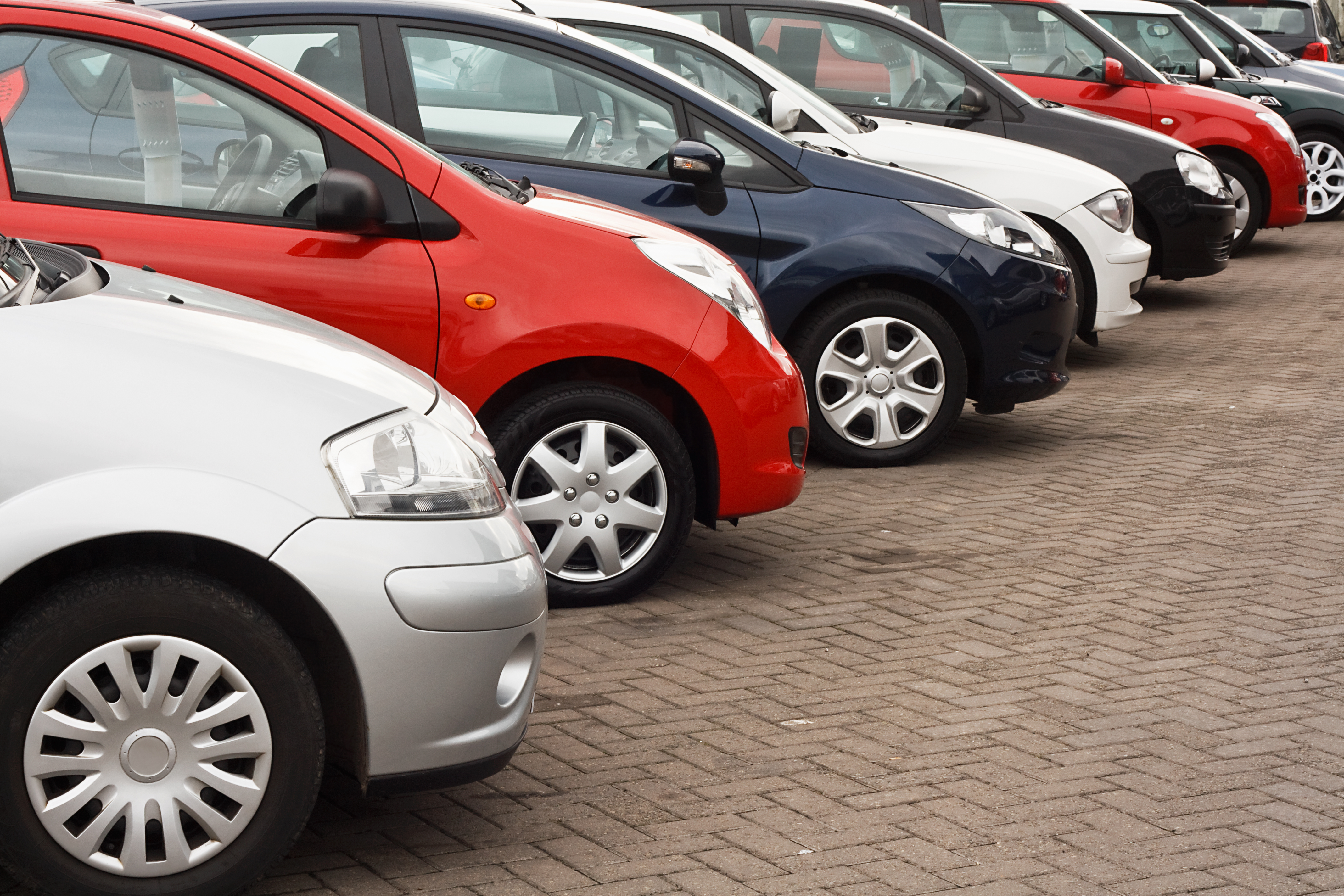
Moving abroad brings exciting opportunities and unique challenges, especially when it comes to purchasing a vehicle in your new country. Unlike home, the car-buying process, legal requirements, and popular models may be unfamiliar. Before you even set foot in a dealership or consider used vehicles, it’s crucial to understand the local car market and verify any second-hand car’s history with a car check.
Proper research and careful planning will ensure that you drive away with peace of mind, knowing your new car suits your needs and adheres to local laws.
Understanding local regulations and requirements
The first step when buying a car as an expat is getting acquainted with your new country’s regulations. Countries around the world each have their own rules for vehicle registration, taxes, and insurance. Some may require proof of residence or a local driver’s license. Others might have emissions standards or safety inspections that differ from what you’re used to. It is important to visit the local transport authority’s website or speak to fellow expats and locals for guidance on compliance.
Don’t overlook transitional rules for recent arrivals. In some regions, you may be allowed to drive with your international or foreign license for a certain period before needing to obtain a local one. Equally, if you import a car instead of buying locally, there can be customs, taxes, or adaptation requirements. Being well-versed with these obligations saves time and unexpected expenses, and helps avoid legal issues down the road.
New or used: making the right choice
Deciding between a new or used car often depends on your budget, the length of your stay and local market trends. New cars come with a warranty and the assurance of no hidden history, but often they depreciate quickly. Used cars are usually more affordable, but you risk encountering undisclosed problems or unclear accident history. That’s why performing a car check on any used vehicle is a practical step to ensure the car hasn’t been stolen, written off, or has outstanding finance.
Local dealerships sometimes offer certified pre-owned programs, which can be a safe middle ground. For private sales, be diligent: inspect records, verify ownership, and arrange an independent mechanical inspection if possible. It’s also wise to ask about the availability and price of spare parts for certain brands, as these can vary widely in different countries. Researching popular and reliable models in your new country can help with both cost and long-term convenience.
Budgeting and operating costs
Moving abroad and buying a car is more than just the purchase price. Before finalizing your decision, factor in the total cost of ownership. This includes insurance premiums, which can be higher for expats or foreign license holders, as well as annual taxes and inspections. Fuel costs, parking, tolls, and road usage charges also vary significantly between countries. Don’t forget possible import taxes if you buy a vehicle across borders or bring one with you from home.
It’s sensible to check if your financial institution abroad provides car loans to non-citizens or recent arrivals. Some banks might require specific residency permits or impose higher interest rates. Additionally, consider resale value: vehicles with local or regional popularity tend to maintain value better and are easier to sell when your assignment ends. Planning your finances thoroughly will minimize surprises and help you manage your transportation budget effectively.
Making the purchase: paperwork and practicalities
Once you’ve selected your car, collecting and verifying the necessary paperwork is vital. Ensure the seller provides all original documents, such as proof of ownership, service history, inspection certificates, and sales contracts. In many countries, vehicle transfers must be registered with government authorities within a set timeframe. Failing to do so can result in fines or delays retrieving your official documents.
If language is a barrier, consider asking a bilingual friend or translator to assist with contracts and negotiations. Some expat networks also offer buyer guidance or can recommend reputable dealerships. Adequate due diligence before the sale, such as a car check for used vehicles, written agreements, and payment verification, will help safeguard your investment and make the transition to life on the road in your new country as smooth as possible.