
The Most Common Things Expats Overlook When Travelling
A quick trip can become far more complicated when you live abroad. Unlike a typical holiday, crossing borders as an expat often means dealing with different residency rules and local laws. Spending a few minutes checking the details before you leave can save you hours of stress and unexpected costs later.
Check your insurance matches your residency
Many people assume a standard UK travel insurance policy will cover every trip. In reality, many insurers expect you to live in the UK for tax purposes or begin your journey from a UK airport. If neither applies, your policy may not pay out when you need it most.
You should research expat travel insurance policies that are designed for your country of residence and travel habits. According to guidance from Staysure, expat insurance can be a more appropriate option for English-speaking residents living abroad who want to feel safe during their holidays. For instance, if you live in Spain and are considering travelling in or outside of Europe, an expat travel insurance policy can cover you for a variety of situations, from pre-existing medical conditions to lost, stolen or damaged baggage.
Keep an eye on passport and visa rules
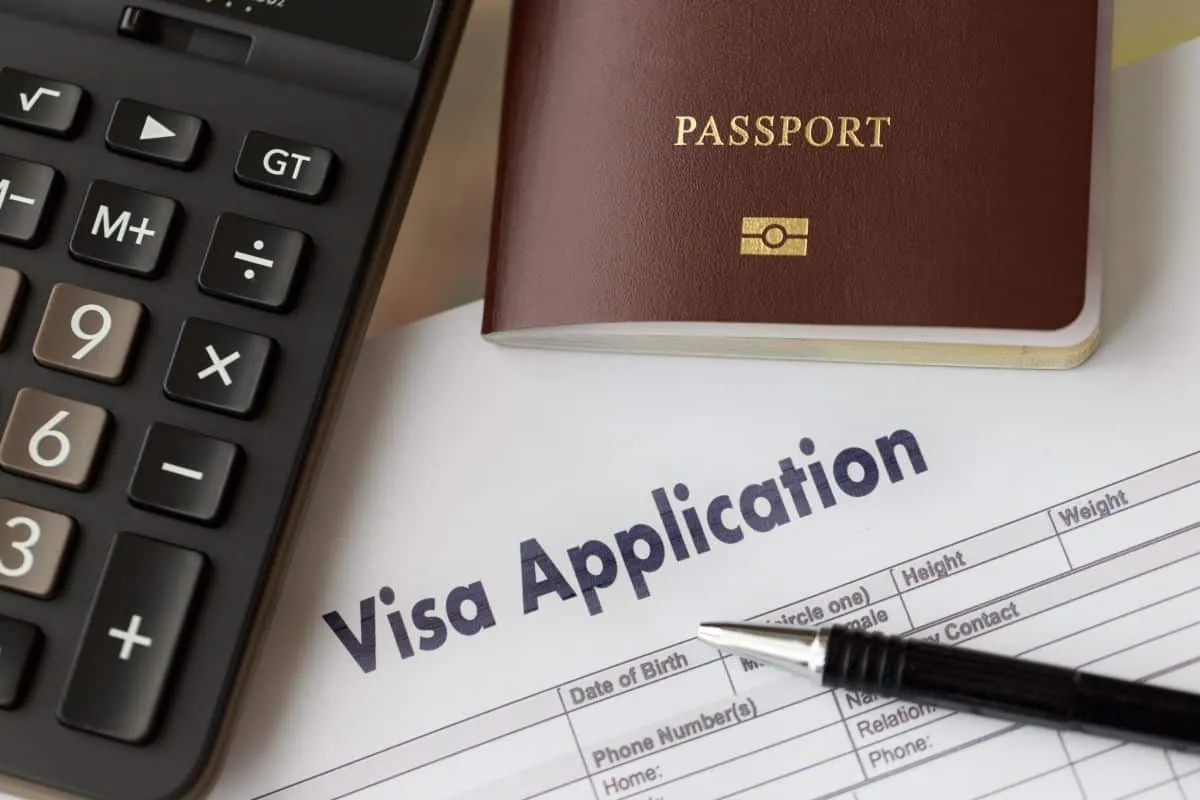
A passport can still have months left before it expires but fail to meet another country’s entry requirements. Many destinations expect at least six months’ validity from your departure date, while some also require blank pages for entry stamps.
Check the rules for every destination before booking, especially if you divide your time between countries. If you regularly enter and leave the Schengen Area (and do not have permanent residency somewhere in it), keep track of your 90 days within any 180-day period and make sure your entry and exit stamps support your records.
Know which medicines could cause problems
Prescription medicines that you use every day may face strict controls elsewhere. Drugs containing codeine or medication for ADHD, for example, require extra paperwork or face outright restrictions in some countries.
Check the destination’s medicine rules before you fly. Carry medicines in their original packaging and keep a copy of your prescription to reduce delays if customs officers ask questions.
Prepare your banking before you leave
Banking apps often rely on two-factor authentication linked to a mobile number. If you no longer use that number, you could struggle to approve payments or access your account abroad.
Set up authentication before departure and carry backup cards from different networks such as Visa and Mastercard. Also, choose to pay in the local currency when card terminals offer a conversion. This usually helps you avoid poor exchange rates.
Understand what your embassy can do
Many expats expect the British Embassy to solve every emergency, but its support has clear limits. Staff can help with emergency travel documents, contact your family and provide information about local services. They cannot pay medical bills, cover legal fees or fund your onward journey.
Save the contact details for your nearest British Embassy or Consulate alongside local emergency numbers before you set off.