
What Happens After The Honeymoon Phase Of Moving To The Middle East

The first few months can feel bright, fast, and full of possibility. New food, new cities, warm evenings, career momentum, and weekend trips can make moving to the Middle East feel like a bold life upgrade. Then routine arrives. The weather feels less romantic, the paperwork feels repetitive, work expectations become clearer, and the distance from home starts to feel real. The post-honeymoon phase is not a sign that the move was wrong. It is the stage when expat life becomes practical, emotional, and more honest.
Why Does The Honeymoon Phase End?
The honeymoon phase ends because novelty becomes daily life. Excitement is replaced by systems, habits, responsibilities, and small frustrations that were easy to ignore at first.
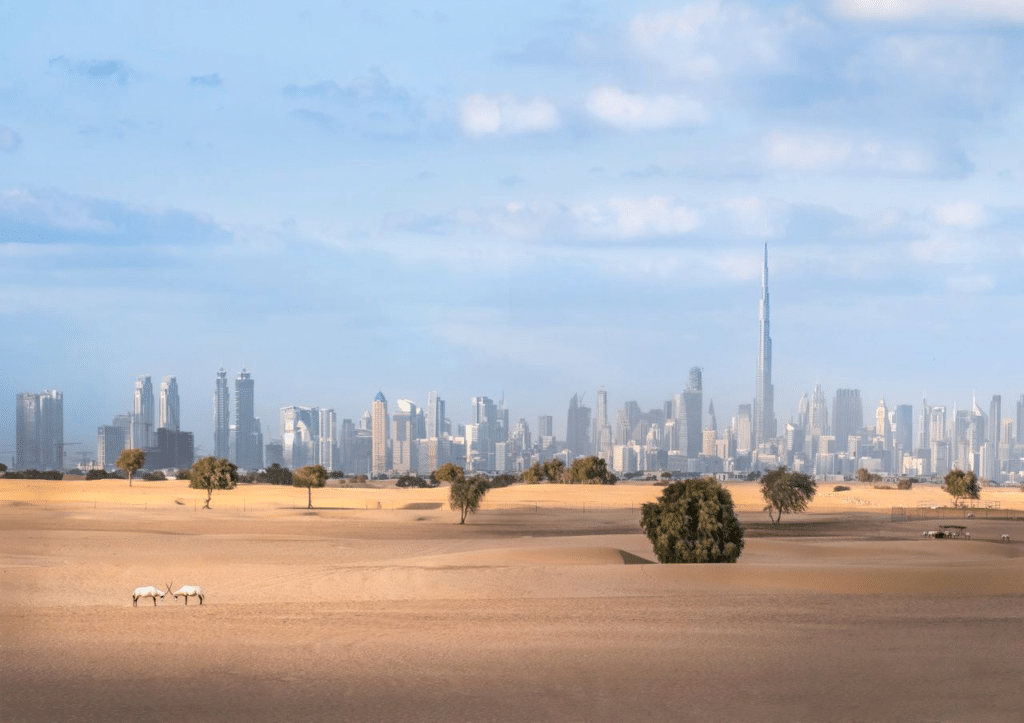
For expats moving to Dubai, Riyadh, Doha, Abu Dhabi, Muscat, or other regional hubs, the early period often feels energizing. There may be a new job, a modern apartment, new colleagues, and a strong sense of progress. After a few months, the same person may notice long commutes, heat, school admin, banking delays, or the effort needed to build real friendships.
A successful relocation is not measured by constant excitement. It is measured by how well everyday life begins to work once the first rush fades.
What Practical Details Start To Matter More?
Practical details become more important when the move stops feeling temporary. Housing, transport, climate, storage, healthcare, and routines begin to shape the quality of life.
This is especially true during sandstorm season. Fine dust can settle into balconies, window tracks, wardrobes, electronics, and stored belongings. In homes where seasonal dust affects furniture, documents, appliances, or spare clothing, families may need practical storage tips for sandstorm season as part of wider planning for protecting items through harsh weather.
Useful preparation often includes:
- Sealing boxes and storage containers properly
- Keeping electronics covered when not in use
- Cleaning air-conditioning filters more often
- Storing fabrics in closed bags or covered spaces
- Checking windows, doors, and balcony gaps before dusty weather
How Does Daily Life Change After The First Few Months?
Daily life becomes more predictable, but also more revealing. The reality of living, working, or retiring in the Middle East often depends on how well people adjust to different rhythms.
Workweeks may vary by country. Social plans may revolve around malls, compounds, hotels, beach clubs, school communities, or private gatherings. Some cities feel highly international, while smaller locations may require more effort to build a social circle.
Many expats settle faster when they stop comparing every detail to home and start designing a life that works locally. Grocery habits, gym schedules, school runs, weekend plans, and prayer-time awareness can support a smoother rhythm.
What Emotional Challenges Can Appear Later?
Emotional challenges often appear after the urgent tasks are finished. Once housing, work, documents, and schools are arranged, people finally have space to feel what the move has cost them.
Common expat mental health challenges include loneliness, decision fatigue, homesickness, identity changes, and pressure to appear grateful. A person may enjoy the country and still miss familiar streets, family routines, humor, weather, or support networks.

Several signs suggest the adjustment needs attention:
- Avoiding social plans for weeks at a time
- Feeling irritated by small problems
- Comparing every experience negatively to home
- Struggling to sleep or switch off after work
- Feeling disconnected from family, friends, or colleagues
Support does not always need to be formal at first. A regular video call, a walking group, a faith community, a hobby class, or a trusted colleague can reduce isolation. Professional support may help when stress starts affecting daily life.
How Can Expats Build A Routine After Moving To The Middle East?
A sustainable routine comes from treating the move as a long-term life, not an extended trip. The goal is to create comfort, structure, and belonging without expecting every day to feel exciting.
After the early period of moving to the Middle East, practical habits become more powerful than big plans. People who settle well usually create weekly anchors. These anchors make time feel stable and help reduce emotional drift.
Helpful anchors may include:
- A regular grocery day
- A fixed exercise routine
- A weekend family tradition
- A recurring call with people back home
- A local activity that is not connected to work
Routine should not mean closing off from the place itself. Learning basic local phrases, understanding customs, trying regional food, and joining community events can make life feel more rooted.
What Should You Do When The Move Feels Hard?
When the move feels hard, slow down and separate temporary stress from deeper mismatch. A difficult month does not mean the relocation has failed.
Start by identifying the main source of pressure. Some problems are practical, such as housing, transport, weather, workload, or school choices. Others are emotional, such as loneliness, grief, loss of identity, or feeling far from family.
A simple reset can help:
- Fix one practical problem first
- Rebuild one social habit
- Plan one local activity each week
- Keep one familiar routine from home
- Ask for help before stress becomes normal
It also helps to review expectations. Expat life includes admin, boredom, dust, traffic, cultural learning, and ordinary tiredness. That does not make the experience less valuable. It makes it real.

Why Does The Second Stage Often Matter Most?
The second stage matters most because it turns relocation into real life. The honeymoon phase creates excitement, but the next phase creates resilience.
This is when people learn how to handle weather, cultural differences, distance, routine, and identity. It is also when they discover what they truly need from a home, a workplace, and a community. The most successful expats adapt without pretending everything is easy.
Building A Real Life Beyond The First Excitement
The period after the honeymoon phase can feel less glamorous, but it is often the most important part of moving to the Middle East. This is when routines become essential and emotional adjustment becomes as important as logistics.
A strong expat life is built through practical preparation, honest expectations, and steady connections. Sandstorm season, homesickness, paperwork, climate, and cultural learning may all test the early excitement. With time, those challenges can become part of a more grounded life abroad.