
The Borderless Office: Strategic Alignment For The Workcation Era
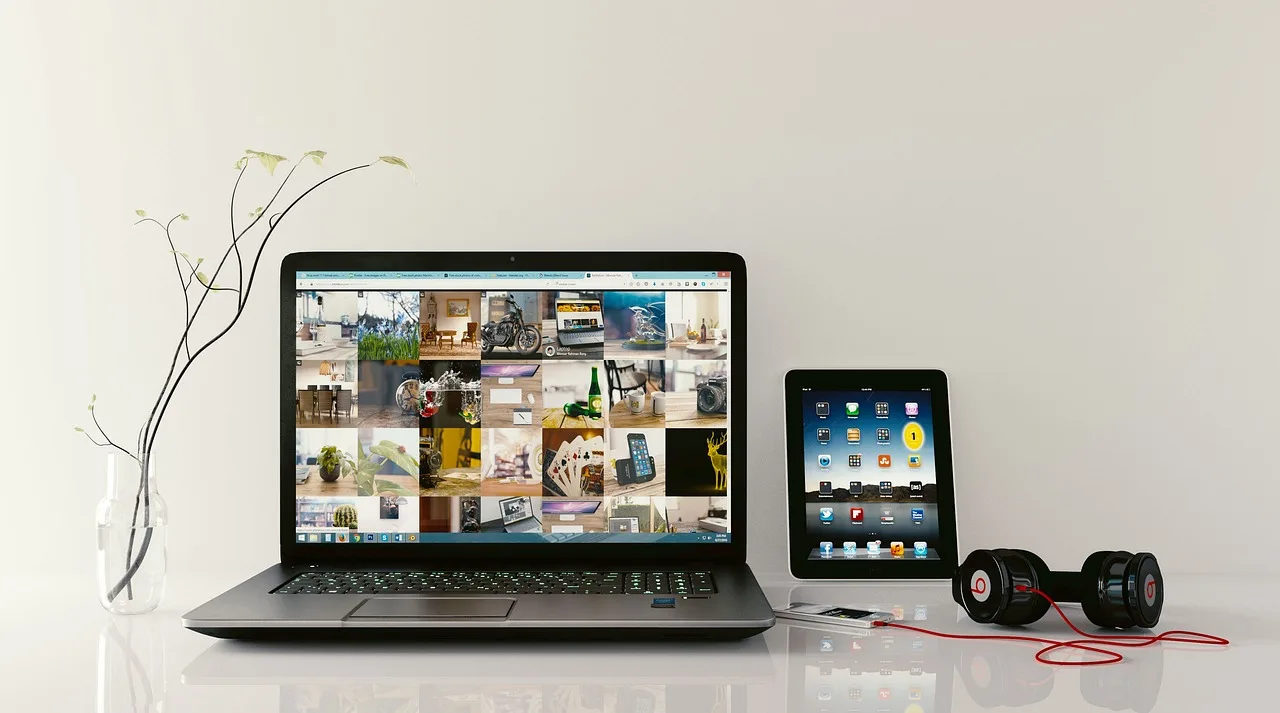
Work used to mean sitting in a specific chair for eight hours every day. Now, the office can be a beach in Mexico or a mountain cabin in the Alps. It’s a transformation that changes how companies think about productivity and team culture. Leaders are finding new ways to keep everyone on the same page from different time zones.
The Evolution Of The Modern Workspace
The idea of blending travel with work has become normal for many professionals. Around 35 to 40 percent of remote staff have gone on at least one workation already. Most people seem to enjoy the chance to change their scenery. About 70 percent of workers say they want to try this type of trip in the next year.
Companies that support these trips see a more relaxed workforce. Employees feel they can explore the world without quitting their jobs. It creates a sense of trust between the management and the staff. The growth in travel-friendly policies is a direct response to what the modern worker wants.
Understanding The Strategic Value
The office is no longer a specific building or a set of cubicles. Many companies find that the benefits of a workcation maintain high morale during busy seasons. Employees appreciate the chance to see new places and avoid using all their vacation days. The team will be energized throughout the year.
Strategic alignment happens when personal goals and company goals meet. Giving people the freedom to travel shows that the company values their happiness and wellness. Happy employees stay with their companies longer, and they won’t have to incur the cost of hiring and training new people every few months.
Practical Steps For Global Alignment
Teams need to know exactly what is expected of them before they pack their bags. Clear communication prevents confusion and keeps projects moving forward. Using a shared digital workspace helps everyone see the big picture. Successful teams use a specific set of tools:
- Shared calendars to track different time zones
- Project boards to show the status of every task
- Instant messaging for quick questions
- Video calls for weekly team check-ins
- Cloud storage for easy file sharing
Measuring The Impact On Productivity
Productivity looks different when people are not in the same room. 31 percent of fully remote staff feel engaged, but only 19 percent of on-site staff say the same. Higher engagement leads to better work and fewer mistakes. Remote workers find they can focus better without the noise and distractions of a busy office.
Measuring success now depends on the quality of the work, not on the hours spent at a desk. Teams use digital tools to track projects and meet deadlines. When people feel trusted, they work harder to prove they deserve that freedom.
Empowering Talent Through Autonomy
Freedom of choice impacts how people view their careers today. People with choices in their work are 50 percent more likely to feel positive about the job market. They feel they have more control over their lives and their futures. These workers are less likely to look for a new job if they feel their current role fits their lifestyle.
Autonomy means giving people the power to decide how they get their work done. Leaders set the goals, but the employees choose the path. People take ownership of their tasks when they are not being watched every second.
Managing Time Zones And Communication
Time zones can be a challenge for teams spread across the globe. Some people might be starting their day when others are going to sleep. Asynchronous communication serves to leave detailed notes so others can work on a project later.
Teams must decide on core hours when everyone is online at the same time. These few hours are perfect for meetings and brainstorming. The rest of the day is for deep work and personal tasks so that the work never stops moving.
How To Maintain Connection
Physical distance can sometimes make people feel lonely or left out. Great leaders find ways to build social bonds through a screen. They might host casual video hangouts or online games to help team members get to know each other as humans. Building a strong culture requires effort from everyone on the team:
- Celebrate birthdays and milestones during calls
- Share photos of different work environments
- Start meetings with a quick personal update
- Create a “random” chat channel for non-work talk
- Send small digital gifts or rewards for hard work
Long-Term Business Stability
A borderless office is a long-term strategy for staying competitive. Companies can hire the best talent from anywhere in the world. They are not limited to the people who live within driving distance of a physical building.
The business model operates around the clock. As one team finishes its day, another team starts theirs. It speeds up production and improves customer service for global clients. Organizations that adapt to this style will find it easier to scale their operations.
Setting Boundaries For Better Focus
Working from a beautiful location can be distracting if there are no rules. Employees need to set a schedule for both work and play. It is easy to let the laptop stay open all night when you are in a new place. Setting a hard log-off time protects against burnout.
Managers should lead by example and should not send messages in the middle of the night to employees. When people have a chance to rest, they come back with fresh ideas. A dedicated workspace is helpful even on a workation: it could be a quiet corner of a cafe or a desk in a rental home. Having a spot that is only for work helps the brain switch into a focused mode.
Selecting The Right Tools For The Road
Hardware choices matter when the office moves every week. A light laptop with a long battery life is a must for any traveler. Noise-canceling headphones turn a noisy airport into a quiet office.
For better security, use a VPN to keep company data safe on public Wi-Fi networks. Two-factor authentication adds protection for every account. Having a portable battery can save the day when a power outlet is hard to find. The right gear makes the borderless lifestyle work for everyone.

Flexibility and trust are the new foundations for a successful company. Leaders who embrace the workcation era will see more engagement and better results. By aligning company goals with employee freedom, the borderless office becomes a powerful tool for growth.