
How To Begin Life In Singapore With Your Family
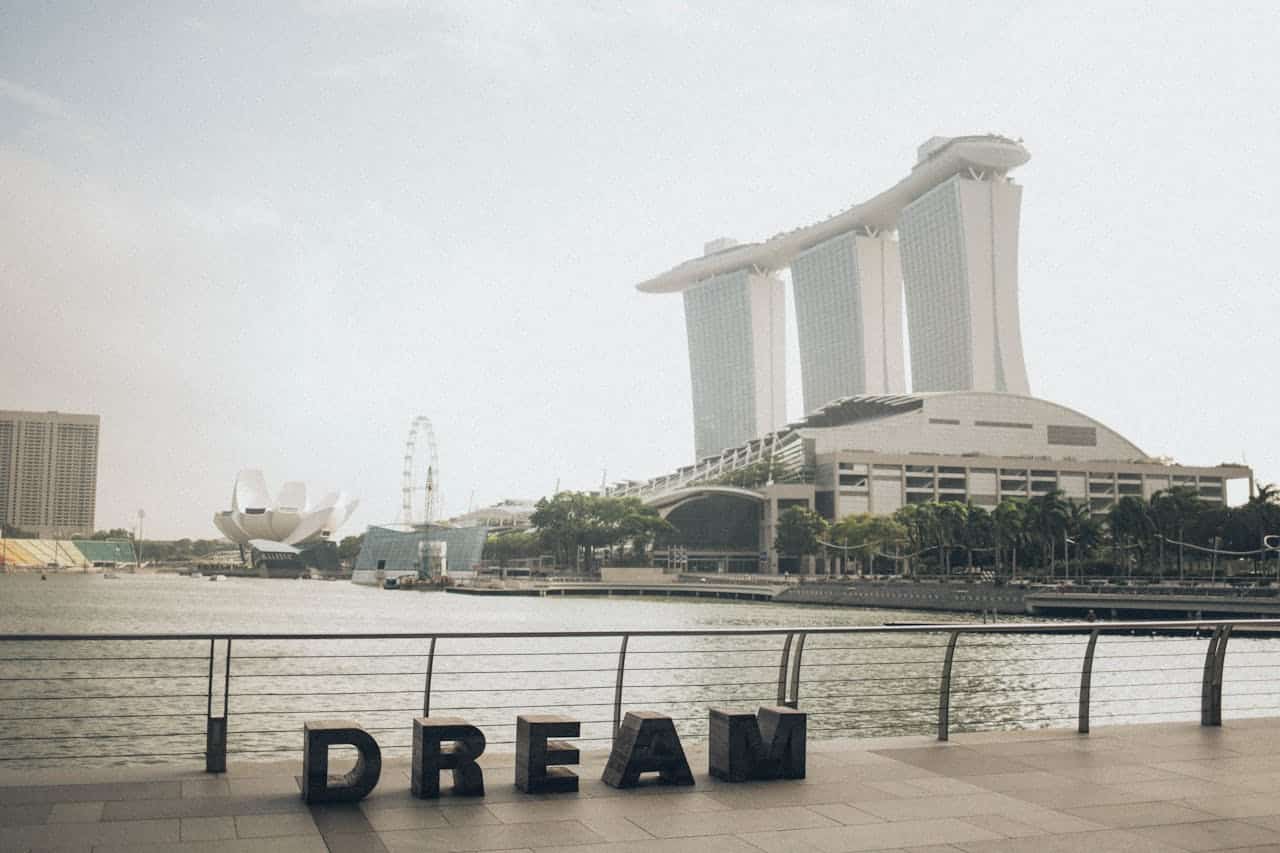
Relocating to Singapore with your family is often described as a smooth transition compared to other global cities. The country is safe, efficient and internationally minded. But starting well requires structure, especially if you have school-aged children. In Singapore, education and routine form the backbone of family life. Once that foundation is secure, everything else becomes easier.
Education and Schools in Singapore
For most families, schooling is the first major decision after securing housing. In Singapore, education is central to family life, and understanding the structure early helps you make confident decisions.
Singapore offers three main education pathways for expat families: local government schools, international schools and private institutions.
Choosing the Right School
Local government schools follow the Ministry of Education (MOE) curriculum, which is academically rigorous, exam-driven and highly structured. Admission for foreign students is competitive, particularly at primary level, and placement depends on availability.
International schools are often the preferred option for expat families seeking curriculum continuity. They offer globally recognised programmes such as the IB, British GCSE/A-Level, American AP or Australian systems. These pathways make future relocation or university applications smoother.
When selecting a school, consider:
- Long-term relocation plans
- Curriculum alignment with university goals
- Language requirements
- Commute times and daily logistics
School placements fill quickly in Singapore. Applications should begin early, with academic transcripts, references and vaccination records prepared in advance.
Tuition and Academic Support
Singapore has a strong and widely accepted tuition culture. Supplemental education is not limited to struggling students. High-performing students also attend tuition to stay competitive and deepen conceptual understanding.
Academic reinforcement becomes particularly important in upper primary and secondary years, especially in STEM subjects, where expectations are high and assessment standards are demanding.
Below is how tuition typically breaks down by subject.
Mathematics Tuition
Mathematics is one of the most competitive and emphasised subjects in Singapore’s curriculum. Students are trained in problem-solving, algebraic reasoning and analytical thinking from a young age.
Math tuition often focuses on:
- Strengthening core foundations
- Developing advanced problem-solving techniques
- Preparing for streaming exams and O-Level assessments
Strong mathematical grounding supports future pathways in engineering, finance, data science and technology.
Chemistry Tuition
Chemistry becomes a high-stakes subject at secondary level, particularly for students intending to pursue medicine, engineering or science-based degrees.
Many families invest in o level chemistry tuition to refine exam strategies, strengthen laboratory concept understanding and master structured answering techniques required in national examinations.
Chemistry tuition typically covers:
- Stoichiometry and chemical calculations
- Organic chemistry foundations
- Practical application and structured response writing
- Past-year exam paper drills
Given Singapore’s strong push toward STEM education, chemistry remains a core academic focus.
Physics Tuition
Physics tuition supports students in mastering abstract reasoning and mathematical application within scientific contexts.
Key focus areas include:
- Mechanics and forces
- Electricity and magnetism
- Wave theory and light
- Structured problem solving under exam conditions
Physics builds analytical discipline, which is essential for many technical career paths.
Biology Tuition
Biology becomes more specialised in upper secondary years. Tuition often emphasises:
- Cell biology and molecular processes
- Genetics and inheritance
- Human systems and physiology
- Structured explanation techniques for exams
For students considering healthcare or life sciences, early mastery is important.
Integrated Science and STEM Support
At lower secondary levels, integrated science tuition helps build foundational understanding across physics, chemistry and biology before subject streaming.
Beyond exam preparation, many students also attend coding workshops, robotics clubs and applied STEM enrichment programmes to complement academic science.
Tuition in Singapore is structured, syllabus-aligned and exam-focused. However, balance is critical. Overscheduling can lead to burnout. Parents should ensure supplemental learning enhances, rather than overwhelms, their child’s development.
Sports and Co-Curricular Activities
While academics are taken seriously, co-curricular activities, known locally as CCAs, are mandatory in most schools.
Students are required to participate in at least one activity, which may include:
- Team sports such as football, basketball or swimming
- Performing arts such as orchestra or dance
- Clubs such as robotics, debate or entrepreneurship
Outside school, structured programmes are widely available across the island. Community centres and sports complexes provide accessible training in tennis, badminton, martial arts and competitive swimming.
Participation in sports and CCAs supports social integration, builds leadership skills and relieves academic pressure.
For expat families, encouraging children to engage in both tuition and co-curricular activities helps create a balanced and confident transition into Singapore’s education system.
Settling the Practical Foundations
Once education is sorted, attention shifts to logistics.
Housing and Neighbourhoods
Most expat families choose between condominiums and landed properties. Condos are popular because they offer shared facilities such as swimming pools, security and playgrounds. They also foster informal community interaction between families.
Popular family-friendly areas include:
- East Coast, for beach access and international schools
- Holland Village, for central access and community feel
- Bukit Timah, known for proximity to reputable schools
- Woodlands, for families working in the north
Proximity to MRT stations matters. Singapore’s public transport is efficient, and daily life becomes significantly easier when school and work commutes are under 45 minutes.
Healthcare and Insurance
Singapore’s healthcare system is world-class but operates differently from many Western countries.
Public hospitals are subsidised for citizens and permanent residents, while expats typically rely on private insurance coverage. Secure comprehensive health insurance before arrival or immediately after.
Register with a local GP near your residence. Having a regular doctor simplifies medical care for children, especially for vaccinations and routine check-ups.
Domestic Support and Daily Logistics
Some families hire domestic helpers, which is common in Singapore and regulated through a formal permit system. This can ease the transition, especially for dual-career households.
Groceries, banking and utilities are straightforward to set up. Singapore’s digital infrastructure allows most services to be arranged online.
Lifestyle, Free Time and Weekend Getaways
Singapore may be compact, but family life is far from limited.
Museums and Learning Spaces
Educational outings are integrated into daily life. Families frequently visit:
- Science museums
- Art galleries
- The National Museum
- Nature reserves and wildlife parks
These venues are interactive and child-friendly, making weekend learning enjoyable rather than formal.
Outdoor Recreation
Despite its urban density, Singapore is surprisingly green. Parks, cycling tracks and waterfront promenades are part of normal family routine.
The East Coast Park cycling paths, MacRitchie Treetop Walk and Pulau Ubin day trips offer accessible nature escapes without leaving the country.
Regional Travel
One major advantage of living in Singapore is travel access. Short flights connect you to Malaysia, Thailand, Indonesia and beyond.
Weekend trips to Kuala Lumpur or beach holidays in Bali become part of expat life. Budget airlines make regional exploration feasible even with children.
Work-Life Balance and Cultural Adjustment
Singapore’s pace is efficient and structured. Work culture can be demanding, particularly in finance, tech and corporate sectors.
However, the city’s safety, cleanliness and public order make daily life predictable and manageable for families.
Cultural diversity is one of Singapore’s strengths. English is widely spoken, but exposure to Mandarin, Malay and Tamil adds a multicultural dimension that enriches children’s experience.
The adjustment period typically lasts three to six months. Once routines are established, most families find Singapore exceptionally functional for raising children.
Final Thoughts
Beginning life in Singapore with your family is about building structure early.
Secure schooling first. Understand tuition culture realistically. Integrate sports and social activities to balance academic pressure. Choose housing strategically. Establish healthcare and daily systems efficiently.
Singapore rewards organisation. With the right planning, your family will not just adjust — you will operate confidently within one of Asia’s most stable and family-friendly environments.