
What Neighborhood Features Matter Most When Moving Somewhere New
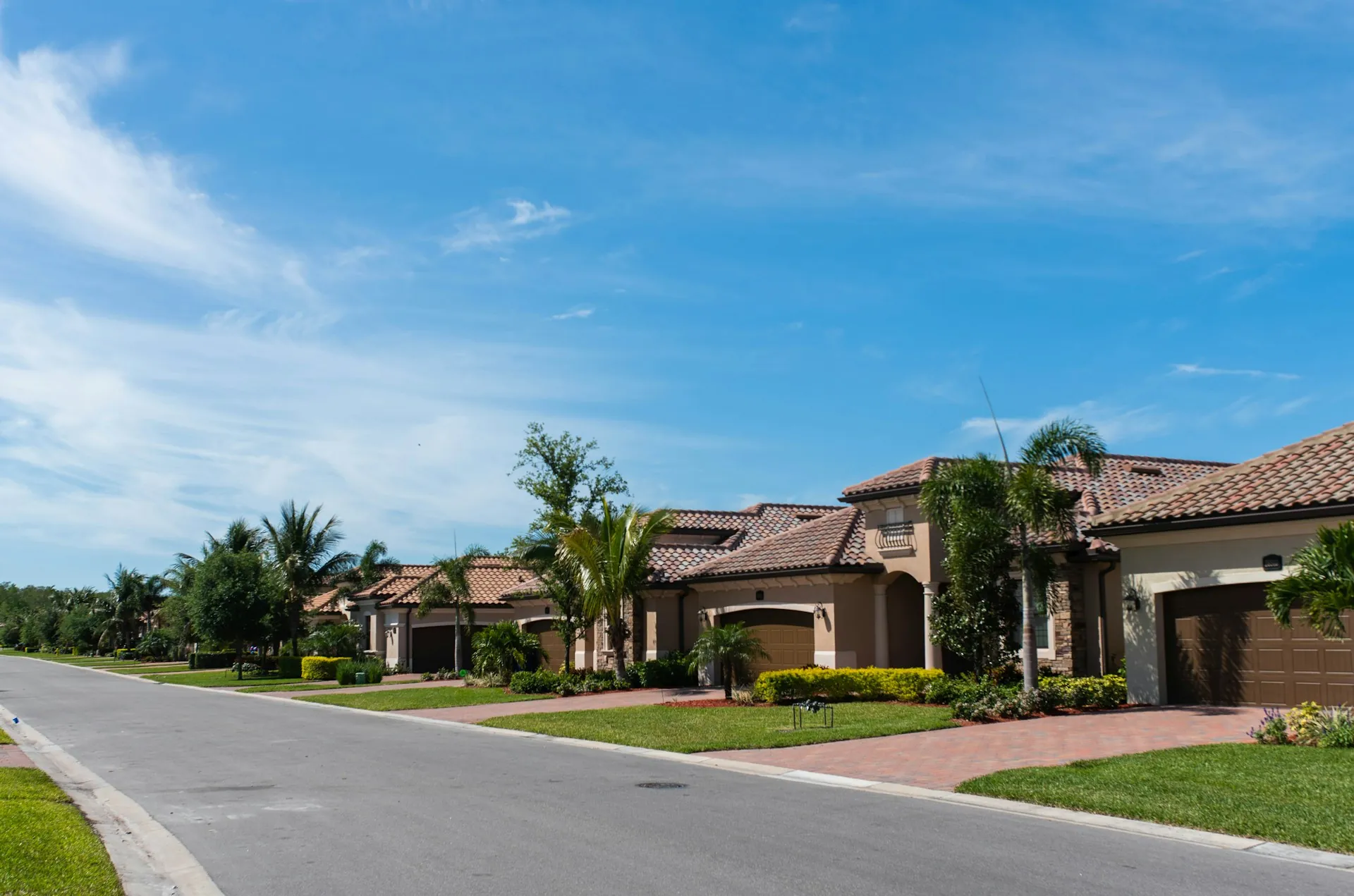
Finding a new home involves looking past the walls and floors. The surrounding area shapes your daily life more than the house itself. You need to identify which local traits align with your long-term goals and daily habits. Selecting the right location requires a balance of logic and intuition. Many buyers focus on the property but forget to study the street. A great house in a poor location rarely feels like home after the initial move-in phase. You want a space that supports your career and personal peace.
Long-Term Value and Investment Potential
Investing in real estate means looking at the financial future of the area. Professional reports suggest that house prices across the country might stay flat in 2026. This trend makes it smart to pick spots where demand remains steady or grows. You should watch for indicators of health in the local economy before committing your funds.
A good investment often features low unemployment and a need for skilled workers. Regions with growing industries tend to see higher rental demand and property values. You should check local economic data to see if a town is on the rise. Stable growth provides a safety net for your biggest financial asset.
Safety and Security Infrastructure
Safety is usually the top priority for most families when they move. Modern homebuyers look for specific features like gated entries or 24/7 on-site security. These systems provide peace of mind and protect your property value. You should ask about the frequency of patrols and the presence of guards.
Many new homes now include video doorbells and intercoms as standard items. You might see CCTV cameras in common areas or parks during your tour. Look for neighborhoods that prioritize safety with these amenities:
- Video doorbells for every unit
- Intercom systems for guest access
- Cameras in public parks and paths
- Gated entries at all major roads
Local Market Trends and Demand
Real estate conditions can change quickly depending on the specific county. One local report shows that the Arlington real estate market often favors sellers of single-family homes. Prices in that region are projected to rise by nearly 4% in the coming year. This growth indicates a strong local interest in traditional housing styles.
Finding the right help is key when navigating these competitive markets. If you want to buy a home in Northern Virginia, you should look for the best realtors in Arlington VA, to help with your search. Expert guidance makes a massive difference when bidding against other buyers. You can avoid overpaying or losing a house to a faster bidder. Professional agents know the history of every street.
Proximity to Work and Transport
Commute times impact your mental health and free time every single day. Recent shifts show that more people move without a new job waiting for them. This trend suggests that people prioritize lifestyle over being near a specific office building. You should consider how much travel you can handle on a weekly basis.
Living near public transit or major highways saves hours of driving. You should walk the area at different times to see the traffic flow. Consider these factors for your daily travel:
- Distance to the nearest train station
- Frequency of local bus routes
- Highway access points for cars
- Bike lane availability for local trips
Environmental Risks and Climate Safety
Weather patterns are becoming a bigger factor in where people choose to live. A large majority of buyers now look for areas with lower risks of severe weather. This shift shows that long-term safety includes protection from natural disasters. You should investigate the history of storms or floods in the region.
Check flood maps and fire risk ratings before you sign any contracts. Insurance costs can spike in areas prone to storms or rising sea levels. A safe neighborhood protects your physical safety and your financial stability. You should talk to neighbors about past weather events.
Walkability and Daily Convenience
Being able to walk to a coffee shop or grocery store is a luxury for many. Walkable areas often have higher property values since they offer a healthier lifestyle. You should look for sidewalks, crosswalks, and well-lit paths in the evening. A high walk score often correlates with a more social and active population.
Local parks and trails encourage outdoor activity and community interaction. Having a gym or library nearby reduces the time you spend in your car. Small conveniences add up to a much better experience in your new home. You should check the quality of the pavement.
Education and School Quality
School districts affect home prices even if you do not have children. Homes in high-performing districts tend to hold their value during market shifts. Researching local ratings provides insight into the long-term desirability of the street. High-quality education programs attract families who care about the future of the area.
Moving from a low-opportunity area to a high-opportunity one can increase lifetime earnings for children. This fact shows how much the local schools and resources matter for the next generation. Strong schools usually indicate an involved and stable community. You should visit the local school board website.
Community Culture and Aesthetics
The visual appeal of a street sets the tone for your entire living experience. Some buyers look for specific design trends like immersive and mood-driven spaces. Cohesive designs and well-maintained yards show that neighbors take pride in their homes. You should notice if the houses have a consistent look.
Attend a local event or visit a park to see how people interact. A friendly atmosphere makes it easier to build a social network in a new place. The culture of a block is just as important as the square footage of the house. You want to feel a sense of belonging when you pull into your driveway.

Choosing a neighborhood is a personal journey that requires careful research. You must think about your budget, your daily routine, and your future goals. Taking the time to visit different areas will help you make a confident choice. Your home is a place to rest, but the neighborhood is where you live your life. Prioritize the features that bring you the most joy and security. A well-chosen location will serve you for years to come. You deserve a place that feels right the moment you arrive.