
The Role Of Group Therapy, Art Therapy And Family Programs In Trauma Recovery
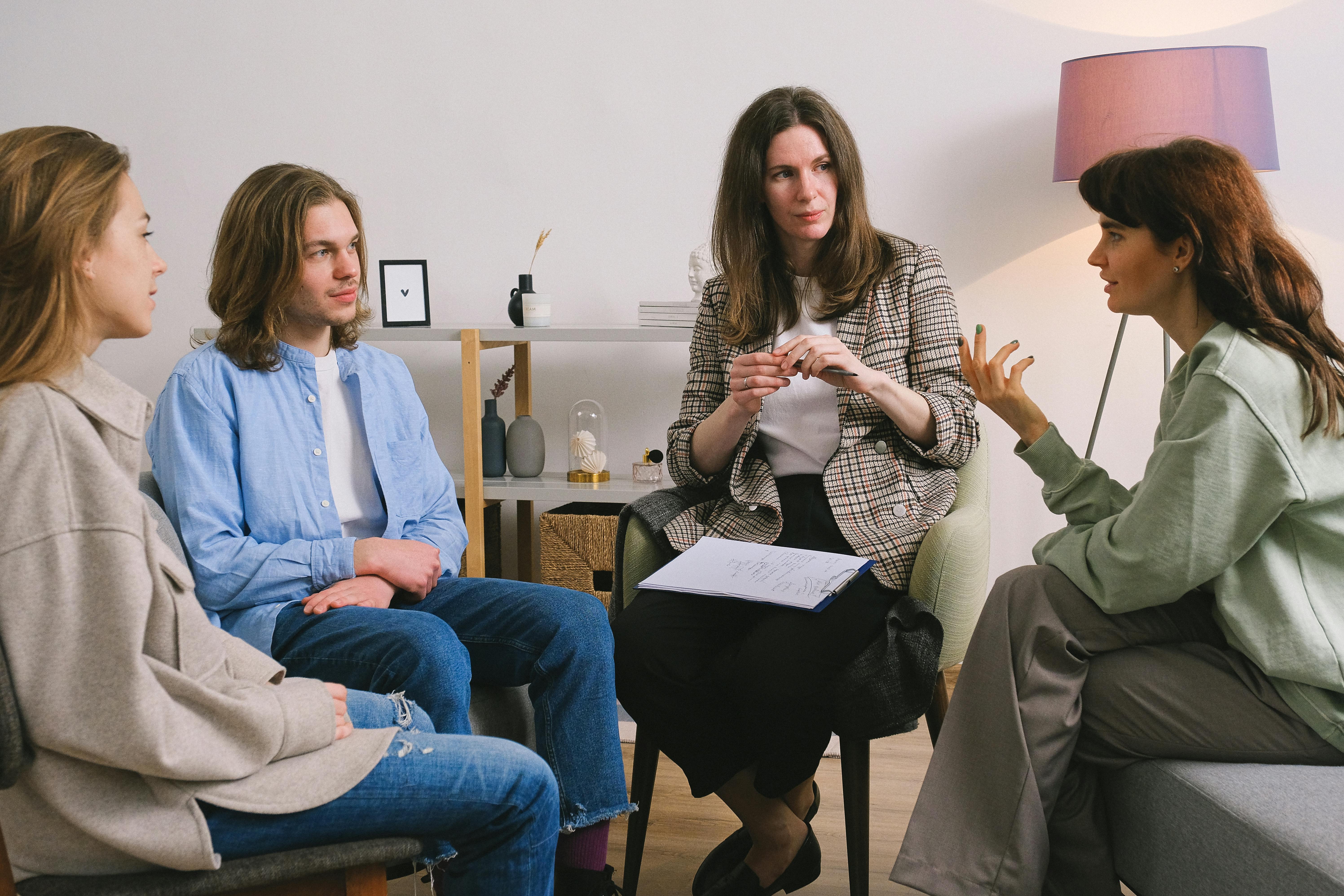
Here’s a truth that often gets overlooked: healing from trauma isn’t a solo mission. You can’t just wait it out or tough it through on your own. Those emotional wounds from difficult experiences? They need real, multi-layered support that touches your mental state, your relationships, and even your ability to express yourself creatively.
Sure, sitting down with a therapist one-on-one helps, but science tells us something compelling, weaving together several therapeutic methods actually speeds up your path to feeling whole again.
In this blog, we’re diving into how group therapy for trauma, art therapy for trauma recovery, and family therapy for trauma survivors join forces to create meaningful, lasting transformation.
Understanding Why Trauma Needs Multiple Healing Pathways
Trauma fundamentally reshapes how your brain handles daily experiences and human connections. This reaches into your nervous system’s automatic responses and even your body’s physical sensations.
Traditional talk therapy can’t always access trauma that lives in your body and the memory systems operating below language. That’s precisely why blending different treatment types becomes non-negotiable for genuine, thorough recovery.
Traumatic events do something more insidious than just leaving bad memories behind. They literally reconstruct the brain architecture that manages your sense of safety, how you regulate emotions, and your capacity for meaningful connection. Consider this: a randomized controlled trial showed that adolescents struggling with PTSD symptoms created narrative books documenting their life experiences, and they demonstrated significant PTSD symptom relief in comparison to control group participants.
Arlington, VA, hosts diverse neighborhoods where residents look for specialized mental health resources to address trauma-related struggles. The area’s robust healthcare ecosystem provides various pathways for people navigating challenging past experiences.
If you’re searching for well-rounded care, you’ll discover that an organization such as the Arlington, VA Outpatient Mental Health Center exemplifies integrated treatment by combining multiple therapeutic modalities within a coordinated program. Programs like these understand something vital: healing unfolds through multiple channels working together.
The Power of Shared Healing Through Group Therapy
Group therapy for trauma opens doors that private, one-on-one sessions simply can’t. There’s something remarkably restorative about watching others navigate their own journeys while simultaneously sharing yours.
Breaking Through Isolation
Trauma leaves survivors feeling utterly alone with their pain. You might think nobody on earth could grasp what you’ve endured. Group environments demolish that isolation almost instantly.
When you sit in a group, you connect with people who’ve walked through similar darkness. This chips away at the crushing loneliness that shadows traumatic experiences. The moment someone else voices feelings you assumed were your private burden? That brings incredible relief.
Evidence-Based Group Approaches
Multiple structured group methods deliver strong, documented results. Trauma-focused cognitive behavioral therapy translates beautifully to group settings, where participants work together identifying and reshaping counterproductive thought patterns.
Dialectical Behavior Therapy skills groups teach emotional regulation through direct peer engagement. You practice distress tolerance, mindfulness, and navigating interpersonal challenges in real-time alongside others who truly comprehend the battle.
Building Trust and Accountability
Accountability partnerships emerge organically within groups. Committing to appear for others makes you far more likely to stick with your own recovery efforts. This reciprocal commitment deepens everyone’s investment in getting better.
Groups transform into secure spaces for practicing vulnerability. You gradually open up, building confidence that eventually extends into relationships beyond the therapy room.
Creative Expression as a Pathway to Healing
Art therapy for trauma recovery taps into dimensions of your experience that language cannot touch. Traumatic memories frequently exist as bodily sensations, fragmented images, and raw feelings instead of clear, speakable stories.
Why Art Bypasses Verbal Barriers
Creating something activates completely different neural circuits than speaking does. When you’re painting, working with clay, or drawing, you engage right-brain functions and limbic regions where trauma actually resides.
This has nothing to do with producing gallery-quality work. The healing comes from the creative process itself, selecting colors, manipulating materials, and expressing without self-editing. Zero artistic background required.
Practical Art Therapy Techniques
Working with clay offers profound tactile processing opportunities. The hands-on manipulation of physical material facilitates releasing trauma trapped in your body. Clients consistently describe feeling physically lighter afterward.
Collage therapy proves especially effective for scattered, fragmented memories. Choosing images and positioning them helps you organize chaotic internal chaos into stories that make sense. The tangible quality of collage creates a container for emotions that feel overwhelming.
Measuring Real Progress
Research repeatedly demonstrates decreased PTSD symptoms following art therapy work. Participants report reduced anxiety levels, elevated mood, and stronger emotional regulation abilities.
Overall, 36.8% of programs used art therapy and 14.7% used music therapy, with 11.7% using both. Your artwork becomes a physical timeline of progress. Reviewing pieces you made during different recovery stages provides concrete proof of how far you’ve traveled.
Healing Family Systems Affected by Trauma
Family therapy for trauma survivors recognizes how traumatic experiences send shockwaves throughout entire family networks. Your healing journey impacts everyone in your orbit, and their support dramatically influences your recovery trajectory.
Understanding Secondary Trauma
Family members soak up trauma’s effects even when they weren’t present for the original incident. Partners, kids, and parents develop their own symptoms simply from proximity to your pain.
This generates complex dynamics where literally everyone needs help. Family therapy for trauma survivors creates structured containers to tackle these interwoven wounds all at once.
Evidence-Based Family Approaches
Attachment-based family therapy rebuilds emotional connections that trauma disrupted. Sessions concentrate on reconstructing trust and security inside family relationships.
The family therapy approach has shown remarkable effectiveness, with recovery rates reaching 95.7% for clients diagnosed with PTSD before intervention. These numbers prove how powerful bringing loved ones into the healing journey really is.
Addressing Different Family Roles
Every family member contributes something unique to recovery. Your spouse might wrestle with offering support without accidentally enabling avoidance behaviors. Kids need information presented at their developmental level to understand what’s unfolding.
Establishing healthy boundaries becomes absolutely crucial. Family members sometimes unintentionally activate symptoms or push unrealistic recovery schedules. Therapy helps everyone grasp their specific role in cultivating a healing-friendly environment.
Combining Approaches for Maximum Impact
Holistic trauma treatment acknowledges that recovery never follows a straight line or sticks to one dimension. Different treatment methods amplify each other, with each addressing territory the others cannot.
Why Multiple Modalities Work Better
Trauma recovery programs that weave together group, art, and family methods deliver superior results compared to single-approach treatment. Each method strengthens what the others accomplish.
Group therapy delivers social connection and normalizes your experiences. Art therapy processes trauma beyond words. Family therapy mends relational damage. Together, they generate comprehensive healing.
Sample Integration Timeline
Early treatment prioritizes safety and finding stable ground. You might begin with individual and group sessions, while family therapy prepares your loved ones for their participation. Middle phases bring art therapy into the mix alongside ongoing group work.
This pairing helps you process deeper material while keeping peer support active. Family sessions ramp up as everyone develops essential skills. Later stages emphasize reconnection and building your future. All methods continue but pivot toward maintaining progress and preventing backsliding.
Accessing Quality Trauma Recovery Programs
Locating the right trauma recovery programs demands research and thoughtful evaluation. Not every program truly integrates approaches or follows evidence-based practices.
What to Look For
Confirm therapist credentials and specialized trauma training. Search for certifications in particular methods like EMDR, sensorimotor psychotherapy, or trauma-focused CBT.
Inquire about their underlying treatment philosophy. Quality programs emphasize trauma-informed care foundations, safety, trustworthiness, peer support, collaboration, and empowerment.
Insurance and Cost Considerations
Numerous insurance plans cover group and family therapy appointments. Art therapy coverage varies based on whether your therapist holds proper licensing.
Sliding scale payment structures exist at community mental health facilities and nonprofit organizations. Don’t allow cost to block you from seeking help, plenty of affordable pathways exist.
Preparing for Your First Session
Come prepared with questions about confidentiality policies, how often you’ll meet, and anticipated treatment length. Be transparent about your symptoms and any past treatment attempts.
Keep your expectations grounded in reality. Healing requires time and won’t always feel comfortable. Trust what unfolds while staying connected to your needs and personal limits.
Moving Forward With Your Healing Journey
Recovering from trauma demands bravery, persistence, and the right mix of therapeutic backing. Group therapy for trauma links you with people who genuinely understand your struggles, while art therapy for trauma recovery processes memories stored beyond verbal reach.
Meanwhile, family therapy for trauma survivors repairs relational damage and strengthens your support network. Discovering quality trauma recovery programs that genuinely integrate multiple methods gives you the strongest foundation for lasting transformation. You deserve comprehensive care that respects how complex your experience is and champions your complete recovery journey.
Your Questions About Trauma Recovery Answered
1. Can art therapy work if I’m not creative or artistic?
Absolutely, yes. Art therapy isn’t about making beautiful artwork, it’s about channeling internal experiences through creative materials. You don’t need any artistic skill or natural talent. The therapeutic benefit flows from the act of creating, not what you produce.
2. How do I know if I’m ready for group therapy after trauma?
You’re probably ready if you can handle being with others for 60-90 minutes and possess basic emotion regulation capabilities. Most trauma-focused groups build in stabilization work upfront. Listen to your therapist’s professional assessment and your own gut feelings about timing.
3. What if my family refuses to participate in therapy?
You can still gain enormously from individual and group sessions. Some programs provide educational materials for family members who won’t attend directly. Your personal healing frequently influences family dynamics positively, even without their active treatment participation.