
How To Turn Your Property Into A Profitable Airbnb Rental
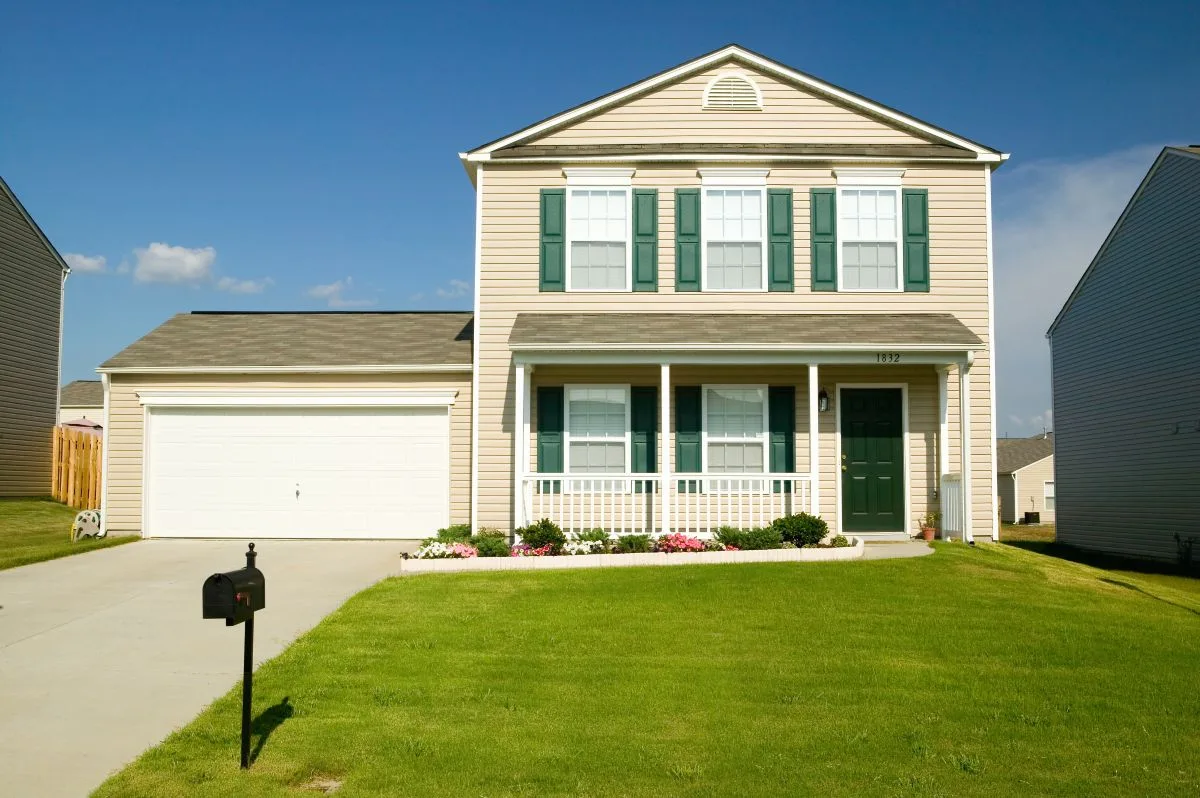
The idea of earning passive income while holding onto a real estate asset is incredibly appealing. Whether you are moving in with a partner, relocating for work, or simply have a second home sitting empty, the shift from “primary residence” to “short-term rental” seems like a natural progression. However, the difference between a house you live in and a profitable hospitality business is significant. It requires a shift in mindset, a bit of paperwork, and a strategic approach to your finances.
If you are eyeing the Airbnb market, success relies on preparation long before your first guest checks in.
Clearing the Regulatory Hurdles
Before you buy new linens or hire a photographer, you need to determine if you are actually allowed to operate a short-term rental. This is the step that trips up many aspiring hosts. Local municipalities have cracked down on short-term rentals in recent years, with some zones banning them entirely or requiring expensive permits.
Beyond city ordinances, you have to look at your immediate neighborhood. If your property is part of a Homeowners Association (HOA) or subject to condominium bylaws, you might find there are strict rules against leases shorter than 30 days or even six months. Ignoring these rules isn’t an option; getting shut down after investing thousands in setup costs is a financial disaster.
You also need to loop in your mortgage lender. Your original loan agreement was likely based on the premise that you would occupy the home. Changing the property’s use can violate those terms, so transparency with your lender is necessary to update your loan documentation appropriately.
Protecting the Asset
Standard homeowner’s insurance is designed for owner-occupied homes, not for a revolving door of paying guests. If a renter accidentally starts a kitchen fire or slips on an icy walkway, a standard policy might deny the claim, leaving you personally liable.
Transitioning to landlord insurance or a specific short-term rental policy is non-negotiable. These policies are built to cover the specific risks associated with tenants, including property damage, liability for injuries, and sometimes even loss of rental income during repairs. It costs more than a standard policy, but it is a fundamental cost of doing business.
Financial Strategy and Tax Efficiency
Profitability isn’t just about how much revenue you generate; it’s about how much you keep after taxes. This is where many new hosts leave money on the table. When you convert a personal residence into a business asset, the tax code changes in your favor, provided you know how to utilize it.
One of the most powerful tools available is a cost segregation study. Rather than depreciating the entire building over 27.5 years, this study identifies specific assets within the home that can be depreciated on a much faster timeline (often 5 or 7 years). This can significantly reduce your taxable income during the early years of operation, improving your cash flow when you need it most.
To ensure you maximize these benefits and handle the transition correctly, you need to take the right steps regarding asset classification and depreciation schedules.
Marketing and Operations
Once the legal and financial foundation is set, you have to sell the experience. In the crowded Airbnb marketplace, mediocre photos and vague descriptions won’t cut it. You are competing with hotels and professional property management companies.
Invest in high-quality photography that highlights the unique features of the home. Write a description that sells the lifestyle, not just the square footage. Are you close to the best coffee shop in town? Is there a dedicated workspace with high-speed internet? These details matter.
Starting a Journey
It’s important to decide how hands-on you want to be. Self-management maximizes profit margins but requires you to be on call 24/7 for lockout assistance and maintenance emergencies. Hiring a property manager eats into your revenue but it buys you freedom and ensures professional handling of tenant communications.
Turning a home into a rental is a journey, but with the right preparation, it can transform a dormant asset into a robust income stream.